Truck Mounted Crane OEM vs Mobile Crane OEM
Choosing between a truck mounted crane OEM and a mobile crane OEM shapes lifting performance, transport efficiency, project risk, and whole-life cost. In mining, infrastructure, utilities, and industrial maintenance, the right OEM path depends less on brand claims and more on operating context. This guide explains how different field scenarios influence specification priorities, compliance checks, and supplier evaluation before commercial negotiation begins.
Why the truck mounted crane OEM vs mobile crane OEM choice changes by scenario
A truck mounted crane OEM usually designs for road mobility, faster dispatch, and combined transport-and-lift convenience. A mobile crane OEM often focuses on stronger lifting charts, specialized chassis, and complex terrain capability.
The difference matters because the same rated capacity can deliver very different real-world outcomes. Outrigger footprint, axle loading, swing radius, setup time, and legal road travel limits can change project economics.
In the G-MRH context, this decision also connects with ESG reporting, asset utilization, fuel use, maintenance intervals, and regional compliance under ISO, AS/NZS, and local mine safety rules.
Core design intent behind each OEM category
- Truck mounted crane OEM solutions prioritize highway travel and flexible urban or intersite service.
- Mobile crane OEM platforms prioritize lifting geometry, off-road stability, and heavy-duty task specialization.
- Truck mounted crane OEM products often suit mixed logistics and light-to-medium repetitive lifting.
- Mobile crane OEM products often suit high-capacity lifts and rough operating conditions.
Scenario 1: Urban infrastructure and utility service favor fast deployment
For powerline repair, telecom installation, municipal works, and roadside asset servicing, rapid arrival often matters more than maximum lift chart depth. Here, a truck mounted crane OEM may offer better operational fit.
These environments reward legal roadability, compact turning radius, and shorter setup cycles. A truck mounted crane OEM can reduce support vehicle requirements and improve daily job density across dispersed locations.
Key judgment points in this scenario
- How often the crane must move between multiple jobs each day
- Road permit restrictions and axle distribution requirements
- Available setup space beside roads, poles, or buildings
- Need for integrated transport and lift capability
If lifts are moderate, repetitive, and dispersed, a truck mounted crane OEM typically brings stronger utilization. The value comes from fewer idle hours, reduced transfer complexity, and more predictable scheduling.
Scenario 2: Mining and remote resource sites demand terrain resilience
In open-pit mining, processing plants, and remote heavy-industry sites, ground conditions can be unstable, uneven, or congested. In these cases, a mobile crane OEM often aligns better with site realities.
Heavy component replacement, shutdown maintenance, and structural erection require more than mobility. They need stronger stability systems, higher capacity at radius, and confidence on imperfect terrain.
What matters most on remote industrial sites
- Lift performance under real radius and boom-angle conditions
- Ground-bearing pressure and outrigger load management
- Tolerance for dust, heat, vibration, and long duty cycles
- Serviceability in remote locations with limited parts access
A mobile crane OEM may deliver stronger lifecycle value when downtime costs are high. Even a higher initial price can be justified if the machine reduces lift risk and shutdown duration.
Scenario 3: Industrial construction needs a balance between transport and lift depth
Factories, warehouses, ports, and processing expansions often sit between the two extremes. Jobs may involve repeated lifts, moderate travel, and changing site layouts during phased construction.
This is where truck mounted crane OEM and mobile crane OEM options require careful trade-off analysis. The best choice depends on whether transport frequency or lifting complexity drives the schedule.
Balanced evaluation questions
- Are most lifts below medium capacity but spread across many areas?
- Do structural elements require precision at longer working radii?
- Will site access change as civil works progress?
- Is one crane expected to cover logistics and lifting together?
Where multipurpose flexibility is essential, a truck mounted crane OEM can be efficient. Where lift-critical tasks dominate, a mobile crane OEM can protect schedule certainty and site safety.
How scenario demands differ in practice
Practical selection criteria before comparing suppliers
Before shortlisting any truck mounted crane OEM or mobile crane OEM, define the operating envelope. Capacity alone is not enough. Real procurement quality starts with duty-cycle clarity and measurable field constraints.
Technical checks that improve decision accuracy
- Review lifting charts at actual radius, not headline maximum capacity
- Confirm travel legality across target jurisdictions
- Assess boom length, fly jib options, and hook height needs
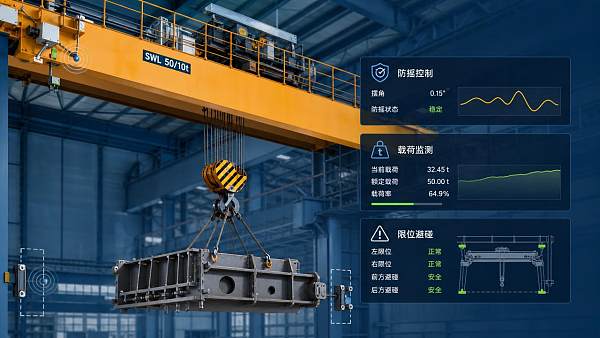
- Evaluate telematics, load monitoring, and diagnostic integration
- Check parts lead time and field service coverage
- Map fuel use and maintenance hours against expected utilization
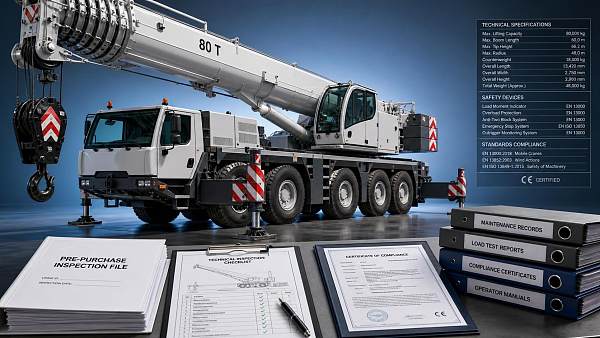
For global heavy-industry assets, supplier quality also includes documentation discipline. Test reports, compliance records, welding standards, and traceable component sourcing all affect risk exposure.
Common misjudgments when evaluating truck mounted crane OEM options
One frequent mistake is choosing a truck mounted crane OEM based only on acquisition price. Lower upfront cost can be erased by underperformance, permit delays, or excessive support equipment needs.
Another mistake is treating all mobile platforms as interchangeable. A mobile crane OEM may offer better charts, but if road transfer is constant, utilization can fall sharply.
Often overlooked details
- Site entry limits for axle weight and overall dimensions
- Need for operator training on advanced control systems
- Ground preparation costs for outriggers
- Spare-parts localization in remote mining regions
- Resale value in the target equipment market
Scenario-based recommendation path for OEM comparison
Use a simple scenario filter before requesting quotations. It improves supplier response quality and prevents irrelevant offers from distorting technical evaluation.
Next steps for a stronger OEM decision
A strong truck mounted crane OEM decision starts with a site-by-site task matrix. List lift weights, radii, travel frequency, terrain profile, permit constraints, and expected annual utilization.
Then compare truck mounted crane OEM and mobile crane OEM candidates against those exact conditions. Request lifting charts, compliance files, service coverage maps, and maintenance assumptions in writing.
When the scenario is defined clearly, the OEM comparison becomes more accurate. That reduces technical compromise, protects uptime, and supports better capital allocation across mining, construction, and industrial operations.
Recommended News
 Aug 25, 2026How to check technical compliance before buying mobile cranesTechnical compliance is the first check before buying mobile cranes. Learn how to verify certifications, load charts, inspections, and road legality to reduce risk and buy with confidence.
 Jun 12, 2026Advanced Crane Control Systems: Key Features That Reduce Lift RiskAdvanced crane control systems reduce lift risk with anti-sway, load monitoring, zoning, and diagnostics—helping mining and heavy industry teams improve safety, precision, and compliance.
 May 24, 2026Stability Control Algorithms in Cranes: How to Judge Real-World SafetyStability control algorithms in cranes: learn how to judge real-world safety through sensor reliability, fail-safe logic, wind and load response, and validation evidence before approval or purchase.
 May 23, 2026Hydraulic Pump Flow Rate Metrics That Matter in Mobile Crane SelectionHydraulic pump flow rate metrics guide smarter mobile crane selection by revealing real lifting speed, multi-function control, efficiency, and lifecycle cost before you buy.