Crawler Crane Factory: Specs That Matter on Site
For technical evaluators comparing lifting solutions, a reliable crawler crane factory is judged by more than headline capacity. On site, the specifications that matter most include ground pressure, boom configuration, lifting charts, transport logistics, duty-cycle stability, and compliance with international safety standards. This article highlights the practical metrics that influence performance, risk, and lifecycle value in demanding industrial and resource projects.
What a Crawler Crane Factory Represents in Industrial Projects
A crawler crane factory supplies lifting systems built for unstable ground, long duty cycles, and complex assembly conditions.
In mining, energy, ports, and civil works, crawler cranes support modules, crushers, tanks, conveyors, and structural steel.
The term crawler crane factory should therefore imply engineering depth, not only production volume or catalog variety.
A serious crawler crane factory demonstrates repeatable fabrication quality, documented testing, and transparent specification control.
It also aligns machine design with ISO requirements, transport rules, site safety procedures, and maintenance realities.
For heavy-industry projects, crane choice affects erection speed, shutdown planning, lifting risk, and total installed cost.
Core Specifications That Matter More Than Rated Capacity
Rated tonnage is only the starting point. Site performance depends on how capacity is delivered across radius, height, and configuration.
Ground Pressure and Track Footprint
Ground bearing pressure influences whether the crane can work without excessive matting, settlement, or geotechnical intervention.
A capable crawler crane factory publishes track width, shoe dimensions, contact area, and loaded operating pressure ranges.
These values matter on tailings areas, reclaimed land, plant expansions, and rainy-season infrastructure sites.
Boom System and Configuration Flexibility
Main boom length, luffing jib combinations, fixed jib options, and superlift arrangements define practical lifting geometry.
A crawler crane factory should specify pin dimensions, insert lengths, erection methods, and configuration change times.
This determines whether one machine can cover multiple lifts during staged construction or shutdown windows.
Load Charts and Working Radius
Lifting charts must be examined by actual radius and boom angle, not by headline class alone.
The better crawler crane factory provides charts for free-standing, superlift, and special counterweight arrangements.
It should also state deductions for hook blocks, lifting gear, wind effects, and optional attachments.
Transport and Assembly Logistics
Site economics often depend on transport modules, heaviest single component, and assembly crane requirements.
A crawler crane factory with strong project understanding publishes transport split data and assembly sequencing information.
This is critical for remote mines, congested refineries, and export-oriented infrastructure programs.
Current Industry Signals Shaping Crawler Crane Evaluation
The modern crawler crane factory operates in a market shaped by larger modules, stricter compliance, and tighter project schedules.
- Higher pre-assembly rates are increasing demand for long-radius precision lifts.
- Remote project locations favor cranes with efficient transport breakdown and faster site mobilization.
- ESG and safety scrutiny now elevate documented load control systems and verified testing records.
- Digital planning tools are making crane data quality more important during lift simulation.
- Lifecycle support expectations are shifting attention toward parts continuity and diagnostic capability.
Operational Value Across Mining, Resources, and Heavy Construction
The right crawler crane factory improves more than lift execution. It influences uptime, planning certainty, and interface efficiency.
In mineral processing plants, crawler cranes support mill maintenance, tank erection, and conveyor installation under tight shutdown schedules.
In open-pit and underground projects, they help position substations, ventilation systems, workshops, and modular processing units.
In ports and bulk handling terminals, they serve stacker-reclaimer assemblies, transfer towers, and shiploading infrastructure.
For energy and grid projects, crawler cranes handle transformer bays, wind components, pipe racks, and heavy precast elements.
A technically strong crawler crane factory supports these sectors with engineering files that integrate into lift plans and method statements.
Typical Site Scenarios and Relevant Specification Priorities
Compliance, Reliability, and Lifecycle Considerations
A crawler crane factory should back specifications with traceable quality systems and internationally recognized compliance evidence.
Important references may include ISO-aligned manufacturing procedures, load testing records, welding qualification, and structural verification.
Safety systems deserve close review. These include rated capacity limiters, anti-two-block devices, boom angle sensing, and event logging.
Reliability also depends on hydraulic cooling, winch line speed consistency, slew performance, and powertrain protection in dusty conditions.
A dependable crawler crane factory explains maintenance intervals, wear parts access, filtration design, and diagnostic interface availability.
For long campaigns, lifecycle value often outweighs purchase price. Downtime costs can exceed initial savings very quickly.
Practical Review Points Before Selecting a Crawler Crane Factory
A structured technical review reduces mismatch between brochure claims and field performance.
- Match the load chart to actual lift radius, hook height, and rigging weight.
- Check ground pressure against geotechnical assumptions and seasonal site conditions.
- Verify transport dimensions against road, port, and camp access constraints.
- Review boom change procedures for labor, time, and auxiliary crane demand.
- Assess spare parts coverage for critical hydraulic, electrical, and structural components.
- Confirm safety functions, calibration procedures, and available technical documentation.
- Request references from comparable industrial, mining, or infrastructure operating environments.
These checkpoints help determine whether a crawler crane factory can support consistent site execution, not only equipment delivery.
Next-Step Evaluation for Site-Focused Crane Selection
The most useful crawler crane factory comparison starts with the lift plan, site surface, transport route, and project sequence.
From there, narrow the review to load chart realism, assembly logistics, safety systems, and lifecycle support depth.
When technical documents are complete and site assumptions are explicit, crane selection becomes faster and more defensible.
In demanding resource and heavy-construction environments, the best crawler crane factory is the one that performs predictably where specifications truly matter: on site.
Recommended News
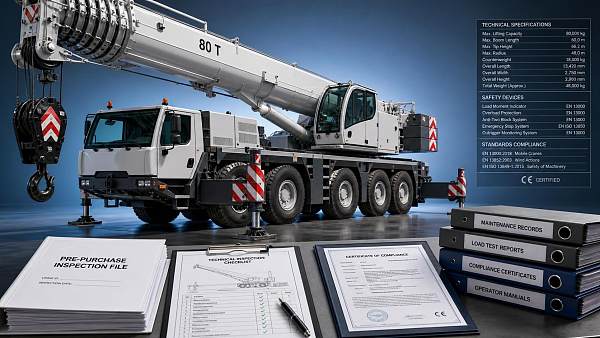
 Aug 25, 2026How to check technical compliance before buying mobile cranesTechnical compliance is the first check before buying mobile cranes. Learn how to verify certifications, load charts, inspections, and road legality to reduce risk and buy with confidence.
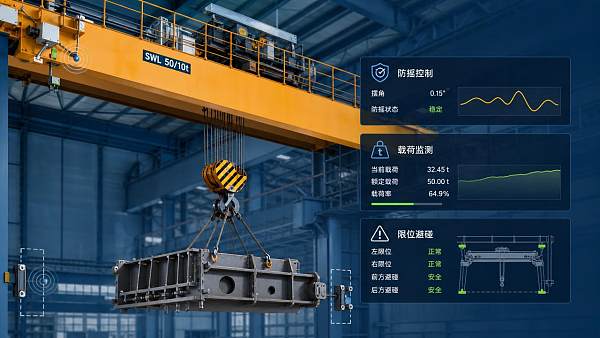
 Jun 12, 2026Advanced Crane Control Systems: Key Features That Reduce Lift RiskAdvanced crane control systems reduce lift risk with anti-sway, load monitoring, zoning, and diagnostics—helping mining and heavy industry teams improve safety, precision, and compliance.
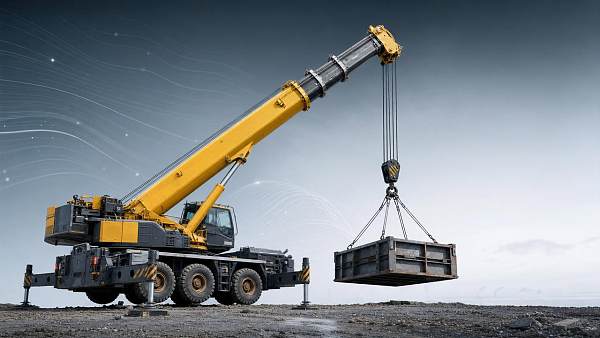
 May 24, 2026Stability Control Algorithms in Cranes: How to Judge Real-World SafetyStability control algorithms in cranes: learn how to judge real-world safety through sensor reliability, fail-safe logic, wind and load response, and validation evidence before approval or purchase.
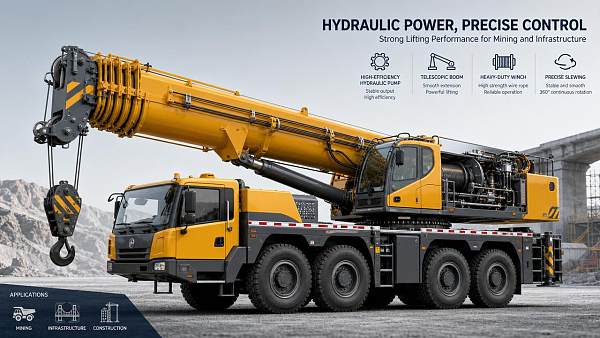
 May 23, 2026Hydraulic Pump Flow Rate Metrics That Matter in Mobile Crane SelectionHydraulic pump flow rate metrics guide smarter mobile crane selection by revealing real lifting speed, multi-function control, efficiency, and lifecycle cost before you buy.