When do prefabrication equipment systems reduce project delays?
When Do Prefabrication Equipment Systems Reduce Project Delays?
Prefabrication equipment systems reduce delays when engineering, procurement, logistics, and commissioning decisions are coordinated early enough to move critical work away from the project site.
For mining, mineral processing, and heavy-machinery developments, the strongest results come from clearly defined modular scope, stable interfaces, qualified suppliers, and realistic transport planning.
Project managers should view prefabrication as a schedule-control strategy, rather than simply a manufacturing choice. It can protect critical milestones, but only when its constraints are managed deliberately.
What Project Managers Are Really Trying to Solve
Searchers evaluating prefabrication equipment systems usually want a practical answer: will off-site assembly materially improve the completion date, or merely transfer risk elsewhere?
The concern is particularly acute on remote mining projects, where weather, limited accommodation, labor availability, safety restrictions, and constrained access can slow conventional field construction.
Managers also need to know whether modular packages will create new dependencies around transport permits, lifting capacity, vendor documentation, and late engineering changes.
The useful decision is therefore not whether prefabrication is generally beneficial. It is whether a specific equipment package can be standardized, transported, installed, and commissioned predictably.
Typical candidates include pump skids, electrical control rooms, crushing modules, reagent systems, conveyor galleries, lubrication units, substations, and packaged water-treatment equipment.
These systems often contain repeatable mechanical, electrical, structural, and control elements that can be assembled under controlled factory conditions before site work begins.
However, prefabrication delivers limited value when the design remains uncertain, interfaces change frequently, or site conditions require extensive custom adjustment during installation.
Delay Reduction Begins With the Critical Path
Prefabrication equipment systems reduce project delays most reliably when they remove activities from the actual critical path rather than simply relocating non-critical work to a supplier facility.
Project teams should first identify the schedule-driving activities: civil readiness, long-lead equipment delivery, structural erection, electrical completion, controls integration, and commissioning access.
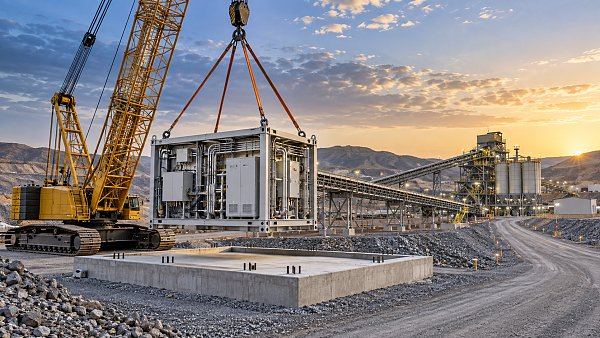
A modular package creates value when factory assembly can occur in parallel with foundations, earthworks, utilities, and permanent site infrastructure.
For example, an electrical room can be fabricated, wired, inspected, and factory-tested while the site completes its concrete plinth, cable trenches, and incoming feeder routes.
This parallelism can reduce the duration of field installation, especially where specialist electrical labor or commissioning personnel are difficult to mobilize at short notice.
The schedule benefit becomes stronger when the module is delivered close to a defined installation window, avoiding long periods of protected storage or repeated handling.
Teams should quantify the advantage in calendar days, not general optimism. Compare conventional site hours, factory hours, expected rework, weather exposure, and installation sequencing.
A package that saves only site labor may not shorten completion. A package that enables earlier energization, mechanical completion, or commissioning can protect an entire downstream workfront.
Stable Engineering Scope Is the First Decision Gate
Engineering maturity is the most important condition for successful prefabrication. A factory cannot efficiently build a system whose dimensions, process duty, interfaces, or controls logic remain unsettled.
Before releasing a prefabricated package, project leaders should confirm process design criteria, equipment selections, pipe classes, electrical loads, control philosophy, and maintenance access requirements.
They should also freeze major interfaces with civil works, adjacent equipment, utilities, cable routes, structural supports, and operating plant systems.
Late design changes are more disruptive in modular work because they can affect completed fabrication, purchased materials, test procedures, transport configuration, and lifting plans simultaneously.
A minor field change may be manageable through local fabrication. The same change can trigger redesign, rework, retesting, and shipping delays for a nearly completed module.
Use a formal design-freeze review before fabrication begins. It should verify approved drawings, interface registers, vendor data, hazardous-area requirements, and the responsibility for each connection point.
For mining projects, this review should include dust, vibration, corrosion, altitude, temperature range, washdown, drainage, and duty-cycle conditions that influence package design.
Prefabrication is therefore most suitable after sufficient front-end engineering design, not as a shortcut for resolving unresolved technical decisions during construction.
Interface Management Determines Whether Modules Install Quickly
Most modular installation delays occur at interfaces, not inside the prefabricated equipment system. The package may arrive complete, yet still wait for connections that are incomplete or incompatible.
Project managers should establish an interface register covering mechanical tie-ins, piping connections, electrical feeders, control signals, earthing, drainage, fire protection, communications, and structural supports.
Each interface needs an accountable owner, approved documentation, installation sequence, inspection requirement, and clear definition of what constitutes readiness for handover.
Connection points should be standardized wherever possible. Flange ratings, cable entry positions, terminal numbering, control protocols, elevation datums, and bolt patterns must align with site design.
Three-dimensional model coordination is particularly valuable for large skids, conveyor assemblies, electrical houses, and densely packed process modules.
The model should test physical clearances for lifting, maintenance, cable pulling, pipe installation, access platforms, emergency egress, and inspection activities.
Factory acceptance testing can verify internal package performance, but it cannot prove complete integration with every field-installed utility, network, or process connection.
Commissioning plans should therefore define which tests occur at the supplier facility, which occur after transport, and which require the complete operating environment.
Supply-Chain Reliability Can Make or Break the Schedule Benefit
Prefabrication concentrates work within a supplier network, making vendor capability and supply-chain discipline central to schedule performance.
A capable fabricator can improve quality and predictability. A poorly controlled vendor can conceal progress issues until delayed materials, documentation gaps, or failed tests threaten the delivery date.
Evaluate suppliers beyond quoted price and stated capacity. Review their relevant fabrication history, quality systems, subcontractor controls, engineering resources, test facilities, and current workload.
For complex equipment systems, inspect whether the supplier has delivered comparable packages under applicable ISO standards, local mining regulations, and client-specific engineering requirements.
Long-lead components require special attention. Motors, variable-speed drives, switchgear, transformers, pumps, valves, instrumentation, automation hardware, and specialist steel can determine actual completion dates.
Project schedules should distinguish between fabrication progress and material readiness. A module cannot reach practical completion if one critical component remains unavailable or unapproved.
Use expediting plans tied to realistic manufacturing milestones, including purchase order release, inspection points, assembly completion, factory acceptance testing, preservation, and dispatch authorization.
Vendor progress reports should identify blockers explicitly. Percentage-complete reporting is insufficient unless it shows the status of critical components and confirms recovery actions.
Transport and Site Access Must Be Designed Into the Module
A prefabricated system only reduces delays if it can reach the installation location safely, legally, and without excessive disassembly or reconstruction.
Remote resource projects often face bridge limits, narrow roads, seasonal restrictions, port congestion, rail constraints, difficult turning radii, and limited heavy-lift equipment.
Module dimensions and weight should be established with logistics specialists before design release. Transportability is an engineering requirement, not a late-stage shipping exercise.
The team should verify route surveys, oversize-load permits, escort requirements, laydown areas, lifting studies, crane availability, and ground-bearing capacity at the destination.
Where transport constraints are severe, a smaller set of transportable modules may outperform a single large integrated package despite requiring additional field connections.
That tradeoff should be assessed using total installed duration, not factory efficiency alone. Large modules can save site labor but create expensive logistics and lifting dependencies.
Preservation requirements also matter. Electrical equipment, rotating machinery, hydraulic components, and instruments may degrade during extended storage, humidity exposure, or repeated movement.
Delivery planning should align module arrival with foundation readiness, installation crews, cranes, quality inspection, and available protection from weather or site damage.
Quality and Commissioning Advantages Are Often Underestimated
Controlled fabrication environments can reduce rework by improving access to tools, qualified labor, inspection resources, and repeatable work methods.
For equipment systems containing controls, electrical assemblies, pumps, piping, and instrumentation, factory integration can identify errors earlier than field installation.
Typical early discoveries include incorrect cable terminations, missing instruments, incompatible software tags, pipe interference, incomplete insulation, incorrect valve orientation, and unavailable maintenance clearances.
Finding these issues before shipment prevents site teams from waiting for engineering decisions, replacement parts, specialist technicians, or revised documentation.
Factory acceptance testing is especially useful for motor control centers, programmable logic controllers, packaged process skids, lubrication systems, and automated material-handling equipment.
Testing should be based on approved functional requirements rather than demonstrations arranged only to satisfy a shipping milestone.
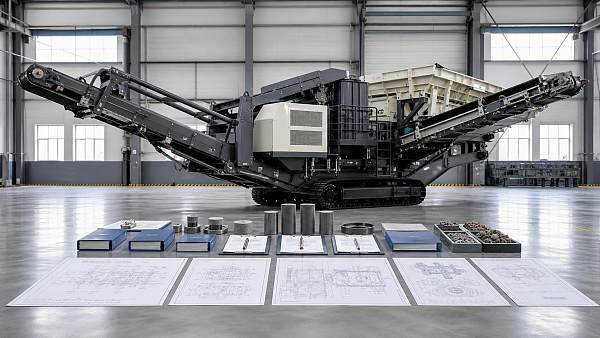
Include test records, punch-list ownership, software backups, calibration certificates, material traceability, inspection reports, and as-built documentation within the delivery definition.
A complete documentation package supports faster site acceptance and reduces the risk that commissioning teams must pause while searching for technical evidence or vendor clarification.
When Prefabrication Equipment Systems Are the Wrong Choice
Prefabrication should not be selected automatically. It may increase risk when site-specific conditions cannot be accurately defined until late construction or operational access remains uncertain.
Highly variable brownfield projects are a common example. Existing structures, undocumented services, congested pipework, and shutdown limitations can undermine assumptions made during module design.
Projects with frequent process changes may also struggle. Repeated revisions can consume the time saved by factory assembly and create contractual disputes over change responsibility.
Small, simple systems located near established labor markets may not justify the management effort, transport cost, supplier markup, and logistics planning associated with prefabrication.
Similarly, oversized modules can become liabilities where transport routes, crane capacity, or access roads have not been verified early.
Decision-makers should avoid measuring success through modularization percentage. The better measure is whether the chosen packaging strategy improves forecast completion certainty and total installed cost.
A mixed strategy is often best. Prefabricate standardized, testable assemblies while retaining site-built work for variable tie-ins, large structures, and conditions requiring field verification.
A Practical Evaluation Framework for Project Leaders
Before approving prefabrication equipment systems, project managers can use a structured review covering schedule, engineering, supply chain, logistics, installation, and commissioning readiness.
First, confirm that the package affects a meaningful critical-path activity or allows parallel execution with another schedule-driving workfront.
Second, assess engineering maturity. The design should have stable process conditions, defined boundaries, approved interfaces, and a disciplined process for managing future changes.
Third, test supplier capability through technical due diligence, production capacity checks, quality audits, long-lead procurement reviews, and milestone-based expediting.
Fourth, validate end-to-end logistics. This includes fabrication location, transport route, permits, shipment protection, site access, lifting studies, laydown space, and installation sequencing.
Fifth, define acceptance and commissioning evidence before fabrication begins. Teams should know exactly what factory tests, site tests, documents, and punch-list closures are required.
Finally, compare the full project outcome against conventional construction. Include engineering effort, vendor management, freight, field labor, weather risk, rework exposure, and startup certainty.
This approach turns prefabrication from a broad procurement preference into a defensible project decision supported by schedule logic and operational requirements.
Conclusion
Prefabrication equipment systems reduce project delays when they enable genuine parallel work, remove critical field activities, and arrive with stable interfaces, complete documentation, and proven logistics.
For mining and heavy-industry projects, the largest gains usually come from modular packages exposed to remote-site labor constraints, difficult weather, repetitive installation work, or complex commissioning requirements.
The essential discipline is early coordination. Engineering, procurement, fabrication, transport, construction, and commissioning teams must make decisions as one integrated delivery system.
When those conditions are present, prefabrication can improve schedule certainty, reduce rework, support safer installation, and accelerate the transition from construction completion to productive operation.
Recommended News
 Oct 04, 2026When do prefabrication equipment systems reduce project delays?Prefabrication equipment systems reduce project delays when scope, interfaces, suppliers, and logistics align early. Explore a practical framework for faster delivery.
 Sep 10, 2026What Compliance Documents Should a Mining Equipment Supplier Provide?What documents should a mining equipment supplier provide for compliance proof? Explore essential certificates, safety records, testing evidence, and traceable documentation.
 Sep 07, 2026Do Mining Equipment Safety Standards Differ by Country?Do different countries use different standards for mining equipment safety? Explore ISO, MSHA, CE, ATEX, and local compliance rules before ordering equipment.
 Sep 05, 2026How Do You Calculate Total Cost of Ownership for Mining Machinery?How to calculate total cost of ownership for construction machinery in mining? Explore TCO factors, downtime, fuel, maintenance, and lifecycle savings.