Commercial Glamping Tent Wholesale: Cost, MOQ, and Supplier Risks
Why does commercial glamping tent wholesale need a deeper cost review?
Commercial glamping tent wholesale often looks simple at first glance. A buyer receives sizes, photos, and a unit price. The real decision is usually more complex.
For remote camps, eco-lodges, temporary hospitality projects, and resource-sector accommodation zones, tents are operating assets, not decorative purchases.
That changes the sourcing logic. Fabric weight, frame metallurgy, fire performance, wind resistance, and replacement lead time all affect project exposure.
In practical terms, low headline pricing can become expensive after freight, customs, site adaptation, and early maintenance are included.
This matters even more in industrial and infrastructure environments. G-MRH tracks how procurement quality, compliance evidence, and lifecycle visibility shape outcomes across heavy-duty supply chains.
The same discipline applies here. A commercial glamping tent wholesale deal should be tested like any other project-critical equipment package.
What usually drives the price beyond the factory quote?
The factory quote is only one layer. More often, the final cost changes because the specification was not fully locked before comparison.
A tent priced at one level may exclude the items another supplier already included. That is why quote normalization matters.
Which cost items change the most?
- Frame material grade, wall thickness, and anti-corrosion treatment
- PVC, canvas, or composite membrane thickness and coating quality
- Insulation packages for heat, cold, or high-humidity conditions
- Doors, windows, flooring systems, and internal partition options
- Wind load, snow load, and fire-retardant certification requirements
- Packaging method, container utilization, and destination freight
- Spare covers, repair kits, and installation support
In many commercial glamping tent wholesale transactions, custom sizing and low-volume color changes also push up cost more than expected.
Another overlooked point is foundation interface. If anchoring details are unclear, site work costs can rise after delivery.
A useful habit is to compare landed cost per installed unit, not ex-works price alone. That gives a more realistic procurement picture.
How should MOQ be judged without overbuying or underestimating risk?
MOQ in commercial glamping tent wholesale is not just a sales condition. It often reflects production setup logic, sourcing efficiency, and supplier seriousness.
Small MOQ can be helpful for pilot sites. It can also signal that the supplier is assembling from generic parts rather than controlling a stable production process.
High MOQ may unlock pricing, but it can create inventory risk if deployment schedules change or permitting slows down.
The better question is usually this: does the MOQ match the project phase, replacement plan, and expected standardization level?
This is where supplier flexibility matters. A disciplined wholesale program should allow staged ordering, documented repeatability, and stable spare-part support.
Which specifications actually separate a durable tent from a risky one?
Many buyers ask for the best commercial glamping tent wholesale price. Fewer ask which specifications protect uptime and reduce replacement frequency.
That second question is usually more valuable.
The frame deserves close attention
Ask for steel or aluminum grade, tube dimensions, wall thickness, coating system, and connection details. Photos are not enough.
In coastal, tropical, or mining-adjacent areas, corrosion resistance can decide whether the structure remains serviceable after several wet seasons.
Membrane quality is not a cosmetic issue
Outer cover performance affects waterproofing, UV stability, flame behavior, and cleaning cycles. A lower-cost membrane may crack, fade, or delaminate early.
If the quotation only says “PVC fabric,” the description is too vague for a serious commercial glamping tent wholesale decision.
Compliance claims need evidence
It is common to see broad claims around wind resistance, fire rating, or waterproof performance. More reliable suppliers provide test references and issuing bodies.
For projects connected to regulated camps, public-facing venues, or ESG-sensitive developments, documented compliance is part of risk control.
Where do supplier risks usually appear in commercial glamping tent wholesale?
Supplier risk rarely starts with obvious fraud. More often, it begins with partial information, inconsistent manufacturing, or unclear responsibility after shipment.
Several warning signs show up repeatedly in international sourcing reviews.
- Drawings are unavailable, unfinished, or change between discussions
- The factory cannot explain test methods behind performance claims
- Lead time changes sharply after deposit payment
- Critical accessories are outsourced without traceability
- Warranty language is broad, but remedy steps are missing
- Reference projects exist, yet location and scope cannot be verified
In real projects, the biggest losses often come from delay and rework, not from the initial purchase price difference.
That is why G-MRH emphasizes traceable data, technical benchmarking, and document-backed comparison across industrial supply chains. The method is transferable here.
If two suppliers appear similar, the stronger one is usually the one with clearer revision control, material records, and after-sales response commitments.
How can offers be compared without getting lost in different formats?
A practical comparison sheet solves many sourcing mistakes. The goal is to force each commercial glamping tent wholesale offer into the same decision structure.
Before final selection, check these points side by side.
A structured comparison also improves negotiation. When gaps are visible, price discussions become more fact-based and less reactive.
What should happen before any purchase order is released?
Before committing to commercial glamping tent wholesale, lock the technical baseline first. That includes drawings, materials, hardware, finishes, and packaging details.
Then confirm which documents are required before production, before shipment, and after arrival. This reduces avoidable argument later.
- Approved final drawings and revision numbers
- Material and test documentation for key components
- Delivery schedule linked to deposit and inspection milestones
- Spare parts list for at least one maintenance cycle
- Clear definition of warranty response and exclusions
The best commercial glamping tent wholesale decision is rarely the cheapest quote. It is the offer with the clearest evidence, the most stable execution path, and the lowest downstream uncertainty.
As a next step, build a side-by-side bid sheet, stress-test MOQ against rollout plans, and verify every compliance claim that affects site approval or long-term operating cost.
Recommended News
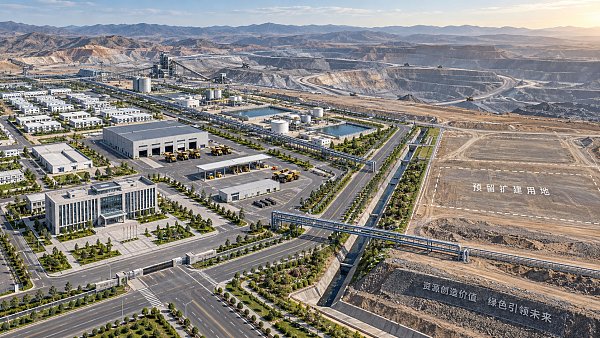
 Oct 11, 2026When to hire commercial architects for a mine site master planCommercial architects should be engaged early to align mine site facilities, expansion plans, safety, utilities, and workforce flows before costly decisions become fixed.
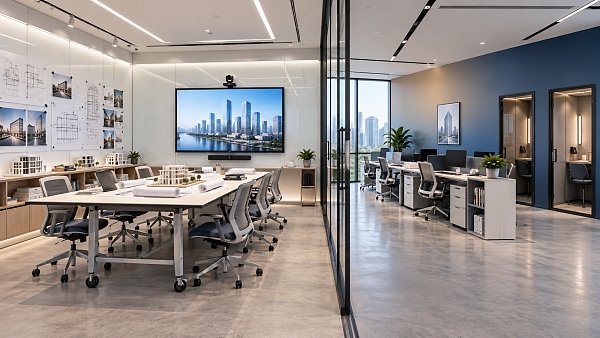
 Oct 10, 2026Modern office design trends 2026 that support hybrid workModern office design trends 2026 reveal how hybrid workplaces can improve project delivery with flexible project rooms, better acoustics, privacy and field-to-office collaboration.
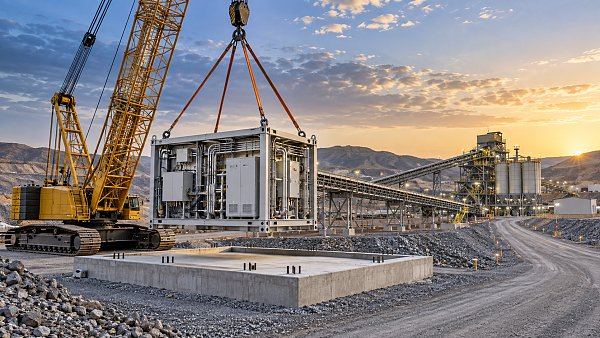
 Oct 04, 2026When do prefabrication equipment systems reduce project delays?Prefabrication equipment systems reduce project delays when scope, interfaces, suppliers, and logistics align early. Explore a practical framework for faster delivery.
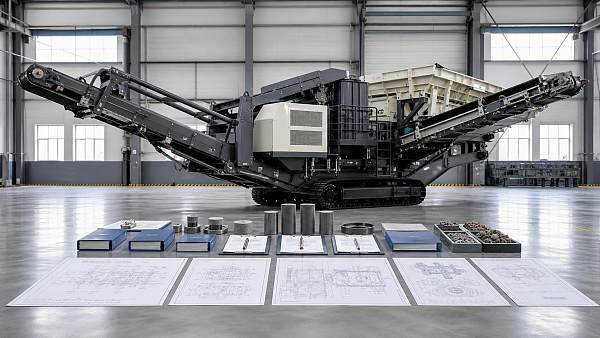
 Sep 10, 2026What Compliance Documents Should a Mining Equipment Supplier Provide?What documents should a mining equipment supplier provide for compliance proof? Explore essential certificates, safety records, testing evidence, and traceable documentation.