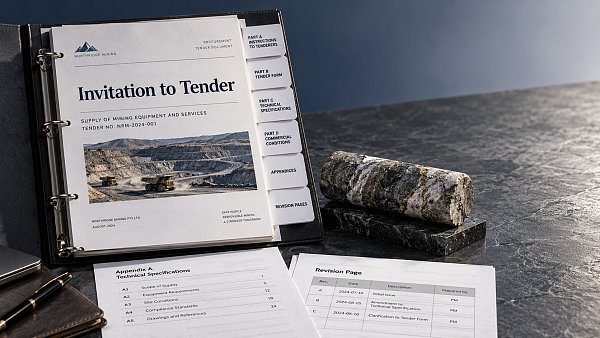
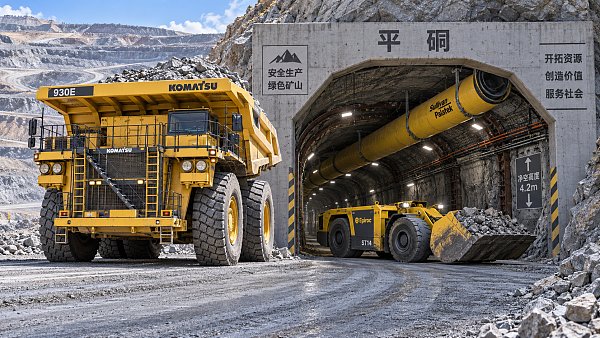
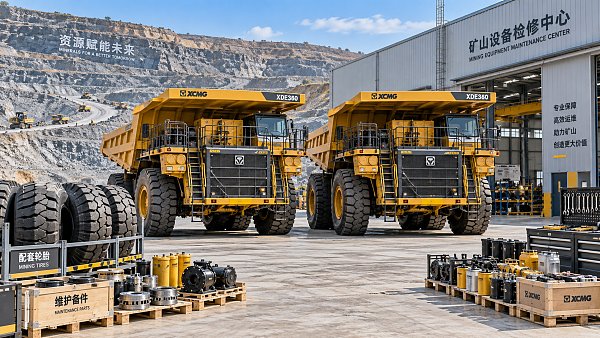
The lowest equipment bid can become the most expensive decision once a mine starts operating. Compare lifecycle cost per productive unit, supported by verifiable performance evidence.
For procurement teams, effective mining procurement means comparing maintenance demands, energy consumption, parts availability, and downtime risk alongside the initial purchase price and financing requirements.
Safety compliance, supplier support, and site conditions deserve equal scrutiny. A competitive quotation has limited value if the equipment cannot reliably achieve your required production.
This guide provides a practical framework for normalizing competing bids, challenging supplier assumptions, exposing hidden costs, and selecting assets that support reliable production throughout their service life.
First, Make Every Bid Answer the Same Operating Requirement
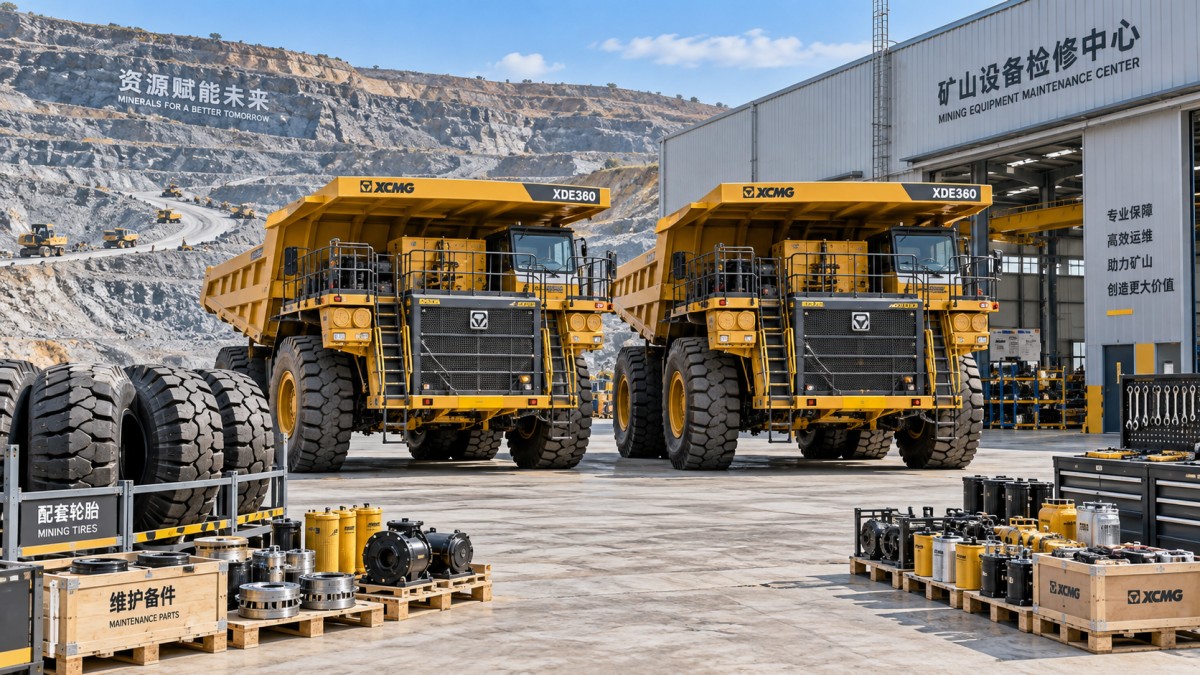
Before comparing suppliers, issue a common operating specification. Otherwise, apparently competing bids may represent different capacities, equipment configurations, service obligations, or levels of commercial risk.
Define the production target and the conditions under which it must be achieved. Include material characteristics, operating hours, environmental limits, and interfaces with existing infrastructure.
For mobile equipment, specify payload, haul distance, gradients, rolling resistance, altitude, and shift patterns. For processing equipment, define feed variability, moisture, abrasiveness, and required product characteristics.
Ask each bidder to return a compliance schedule identifying its proposed configuration, exceptions, exclusions, assumptions, and evidence supporting performance claims under your stated operating conditions.
Build a scope reconciliation sheet before applying financial scores. Add priced allowances for omitted requirements, and flag unresolved exclusions that prevent a defensible comparison between offers.
- Equipment scope: attachments, guarding, control systems, instrumentation, wear protection, and mandatory options.
- Delivery scope: freight, insurance, import arrangements, unloading, assembly, and transport permits.
- Startup scope: commissioning, operator training, maintenance training, initial consumables, and critical spares.
- Infrastructure scope: foundations, electrical upgrades, charging facilities, workshops, and communications networks.
Will the Equipment Deliver Your Required Production?
Nameplate capacity rarely establishes site productivity. Procurement should request a performance estimate tied to the actual duty cycle, with assumptions that engineering and operations can verify.
A haul truck comparison should account for loading, travel, queuing, dumping, and shift delays. Maximum payload alone does not establish tonnes moved per operating hour.
Similarly, crusher throughput claims need a defined feed size distribution, hardness, moisture level, and product specification. Favorable test material can conceal limitations under actual mine conditions.
Keep mechanical availability, utilization, and production efficiency separate. A machine can be mechanically available yet idle because of operator shortages, upstream constraints, or inadequate charging infrastructure.
Request reference data from comparable applications, including operating hours, maintenance history, and measurement definitions. References from dissimilar mines provide context but cannot validate your production model.
Where uncertainty matters financially, require representative testing or a documented simulation. Agree who validates the inputs and how deviations will affect acceptance, remedies, or equipment configuration.
Build a Lifecycle Cost Model That Finance Can Audit
A useful lifecycle model combines acquisition, operation, maintenance, and disposal over a common evaluation period. Apply the same currency, discount basis, and operating assumptions to every bidder.
Choose an evaluation period consistent with the mine plan and expected asset use. Include replacement expenditure when a shorter equipment life would require additional purchases.
Start with the delivered, installed, commissioned cost. Add infrastructure and startup requirements attributable to the option, including items purchased from contractors outside the equipment supplier.
Estimate energy consumption using the defined duty cycle. For electric fleets, include charging losses, demand charges where applicable, battery replacement assumptions, and infrastructure maintenance costs.
Model scheduled servicing, component rebuilds, wear parts, tires, lubricants, maintenance labor, and contractor support. Separate supplier estimates from site experience and identify uncertainty in each input.
Discount cash flows consistently and deduct a supported residual value. Avoid mixing nominal costs with a real discount rate or treating uncertain resale proceeds as guaranteed.
Translate Downtime Into a Defensible Business Cost
Downtime deserves explicit treatment because its impact depends on the production system. Losing one standby machine differs substantially from losing the only primary crusher onsite.
Identify whether the asset constrains production, has backup capacity, or supports a recoverable activity. Operations should define the realistic production consequence of each failure scenario.
For genuinely lost production, finance can estimate the relevant contribution margin after avoidable costs. Using gross revenue usually exaggerates the economic impact of equipment downtime.
Where production can be recovered later, evaluate additional shifts, rental equipment, overtime, or stockpile drawdown instead. Include restart losses when supported by site operating experience.
Do not count the same production loss twice. If reduced availability already lowers modeled output, adding a separate lost-margin charge requires careful reconciliation of both calculations.
Use scenarios for uncertain failure frequency and repair duration. A clear range exposes risk more honestly than a single precise downtime estimate built on weak evidence.
What a Higher Purchase Price Can Actually Buy
Consider two hypothetical equipment bids evaluated over five years. The following simplified example illustrates the comparison method; its figures are assumptions, not market benchmarks or forecasts.
Assume both options meet the same production requirement, generate equal output, and have identical residual values. Values below represent present costs using one agreed discount basis.
Bid B costs $300,000 more initially but has a $450,000 lower evaluated present cost. That result depends on achieving the assumed operating and support advantages.
Before recommending Bid B, test higher energy prices, shorter annual operating hours, and weaker reliability improvement. Determine which assumptions could eliminate the apparent lifecycle advantage.
For unequal output, compare discounted lifecycle costs against consistently discounted productive units. Also confirm that each option can satisfy annual production requirements and available capital limits.
A lower cost per tonne does not resolve affordability. Finance should review the timing of cash requirements, funding constraints, and the consequences of delayed commissioning.
Check Whether Supplier Support Exists Where You Operate
A global service network is useful only if it can support your location. Verify technician coverage, relevant skills, workshop capacity, and realistic mobilization arrangements for your site.
Ask for a critical parts list with stocking locations, replenishment lead times, and supply alternatives. Distinguish physical local inventory from parts available through overseas warehouses.
Review component exchange programs carefully. Confirm core return conditions, exchange availability, freight responsibility, repair turnaround, and whether your proposed equipment configuration qualifies for the program.
For connected equipment, establish access to diagnostic tools, software updates, operating data, and remote support. Identify subscription costs and restrictions that could limit independent maintenance.
Assess supplier delivery capacity and financial resilience through appropriate diligence. Long lead components, subcontractor dependencies, and production commitments can affect both delivery schedules and future support.
Translate critical support promises into measurable obligations. Define response and restoration targets separately, specify reporting evidence, and assess whether proposed remedies meaningfully address operational disruption.
Treat Safety and Regulatory Compliance as Eligibility Requirements
Safety and legal compliance should determine whether a bid remains eligible. A low price cannot compensate for equipment that fails mandatory requirements in its intended jurisdiction.
Develop the compliance register with engineering and site safety teams. Map applicable laws, technical standards, required certifications, and mine rules to evidence supplied for the offered configuration.
Relevant requirements may address braking, protective structures, guarding, isolation, fire suppression, electrical installations, or underground hazards. Applicability depends on equipment type, location, and operating environment.
A broad claim of ISO compliance does not establish legal suitability. Request the exact standard, edition, certification scope, test evidence, and any unresolved deviations or qualifications.
Evaluate emissions and decarbonization commitments through defined measures. Compare energy use and emissions boundaries consistently, including electricity supply assumptions where these materially affect the decision.
For battery equipment, confirm charging compatibility, thermal controls, emergency procedures, and end-of-life responsibilities. Include resulting infrastructure, training, and operational requirements in the commercial evaluation model.
Make the Contract Preserve the Value You Evaluated
The purchase agreement should reflect the assumptions that justified selection. Otherwise, promised performance, support, or scope may disappear into exclusions once the equipment reaches site.
Specify acceptance tests under agreed operating conditions, including measurement methods, test duration, tolerances, and responsibilities. Establish how failures will trigger correction, retesting, or other negotiated remedies.
Align payment milestones with verifiable delivery and acceptance events. Clarify title, risk transfer, security arrangements, and the treatment of delays attributable to either contracting party.
Read warranty exclusions against your expected operating conditions. Confirm when coverage starts, which components qualify, and who pays labor, travel, removal, freight, and reinstallation costs.
Where practicable, agree spare parts pricing mechanisms, software charges, and service escalation rules. Uncontrolled recurring charges can undermine savings projected during the equipment bid evaluation.
Define change control for equipment substitutions and design revisions. Require review when changes affect performance, maintainability, compliance evidence, delivery commitments, or compatibility with existing site systems.
Use a Decision Process That Makes Tradeoffs Visible
Complete technical and compliance screening before commercial ranking. Then assess eligible bids against criteria agreed by procurement, operations, maintenance, engineering, safety, and finance before reviewing results.
Keep the financial model and qualitative scorecard distinguishable. Avoid rewarding an operating saving financially and again through subjective scoring without explaining why both treatments are justified.
- Validate: reconcile scope and confirm mandatory technical requirements.
- Calculate: compare lifecycle costs using common assumptions and documented evidence.
- Stress-test: vary utilization, energy prices, component life, and repair duration.
- Challenge: identify unsupported promises and material commercial exclusions.
- Recommend: explain the preferred bid, remaining uncertainties, and contractual protections.
The award recommendation should identify the assumptions that could reverse the decision. Assign owners to close evidence gaps or manage accepted risks before committing funds.
After commissioning, track actual energy use, output, maintenance expenditure, and availability against the evaluation. Feed those results into future sourcing specifications and supplier performance reviews.
Effective mining procurement selects equipment that meets production requirements at an acceptable lifecycle cost and risk. Purchase price matters, but verified operating value determines the stronger bid.