Cold Planer Wholesale Cost Factors in 2026
For procurement teams evaluating cold planer wholesale options in 2026, cost is shaped by far more than unit price alone.
From cutting width and engine output to compliance, supplier stability, and parts support, each variable changes total value.
In heavy construction and infrastructure renewal, a sound buying decision depends on comparing acquisition cost with operating risk.
This guide explains the main cost drivers behind cold planer wholesale pricing in 2026 and how to assess them with discipline.
Cold planer wholesale cost basics
A cold planer removes asphalt or concrete surfaces through rotary milling.
It is widely used in road rehabilitation, municipal resurfacing, airport maintenance, and industrial yard reconstruction.
In cold planer wholesale transactions, pricing usually reflects machine size, technical specification, shipment scope, and after-sales obligations.
Small walk-behind units serve patch repair and narrow access work.
Mid-size and large milling machines support highway contracts, deep reclamation, and high-output paving programs.
Because applications vary sharply, comparing offers without a standard specification sheet often creates misleading price conclusions.
The most useful approach is to evaluate total delivered capability, not sticker price alone.
What shapes the base quotation
- Machine class and operating weight
- Milling width and maximum milling depth
- Engine brand, power rating, and emissions tier
- Drum design, cutter system, and wear protection
- Hydraulic system quality and electronic controls
- Cab, conveyor, water spray, and leveling options
- Packing method, shipping route, and destination duties
Market signals influencing 2026 pricing
The 2026 market for cold planer wholesale sourcing is affected by industrial and policy forces beyond equipment engineering.
Steel costs, diesel engine compliance, electronics availability, and freight capacity continue to influence factory pricing.
At the same time, public infrastructure renewal programs are supporting demand in many regions.
Where demand rises faster than component supply, lead times often lengthen and discounts narrow.
These signals matter because a low quote today may become a high landed cost after compliance upgrades and freight revisions.
Core equipment factors behind cold planer wholesale pricing
The largest price differences in cold planer wholesale deals usually come from equipment capability.
A wider drum improves output, but also raises structure, powertrain, and transport demands.
Higher engine horsepower supports deep cuts and steady throughput.
However, it may also increase fuel use, cooling requirements, and maintenance complexity.
Specification items that move price most
- Milling width: Wider cutting paths increase productivity and machine cost.
- Milling depth: Deep removal capability requires stronger frames and power systems.
- Drum technology: Quick-change systems and precision balancing add value.
- Tooling: Cutter bit quality affects wear rate and operating cost.
- Conveyor system: Folding or high-capacity conveyors raise complexity.
- Grade and slope control: Automation improves finish quality but adds electronics cost.
- Water spray system: Dust suppression capacity matters in regulated sites.
For buyers comparing cold planer wholesale offers, these differences should be normalized into a side-by-side technical matrix.
Without that step, lower-priced machines may appear competitive while carrying weaker duty-cycle performance.
Compliance, quality assurance, and supplier credibility
In heavy machinery trade, compliance affects both direct and hidden cost.
A machine built for one region may need additional modifications before legal deployment elsewhere.
That reality is especially relevant in cold planer wholesale procurement across borders.
Cost-sensitive compliance areas
- Engine emission standards
- Operator safety systems and guarding
- Noise and dust control requirements
- Electrical and hydraulic certification records
- Factory testing documentation
- Traceability of major purchased components
Supplier credibility is equally important.
A lower quotation from an unstable exporter may create delayed delivery, weak spare parts support, or warranty disputes.
Evidence should include factory audit records, production capacity, reference projects, and service response standards.
When reviewing cold planer wholesale supply partners, reliability often saves more money than headline discounting.
Lifecycle cost and business value beyond purchase price
A competitive cold planer wholesale deal should be evaluated through lifecycle cost, not just delivered invoice value.
Fuel consumption, cutter wear, maintenance intervals, and uptime directly influence commercial return.
Machines with better drum durability and stronger hydraulic systems often cost more initially.
Yet they may produce lower cost per milled square meter over the operating cycle.
This broader perspective is essential in infrastructure fleets, rental channels, and long-term project mobilization.
Typical sourcing scenarios and specification priorities
Not every cold planer wholesale purchase follows the same logic.
Specification priorities should reflect actual project conditions, transport limits, and expected duty cycle.
This scenario-based framework helps compare cold planer wholesale offers according to practical value rather than generic marketing claims.
Practical evaluation steps before order confirmation
A disciplined sourcing process reduces cost surprises and strengthens negotiating leverage.
- Define milling width, depth, output target, and transport limit.
- Request a detailed technical sheet for each cold planer wholesale offer.
- Separate ex-works price from freight, duty, training, and commissioning cost.
- Confirm emissions compliance and mandatory safety features for the destination market.
- Review spare parts package, warranty terms, and standard response time.
- Check reference installations with similar pavement and climate conditions.
- Estimate lifecycle cost per hour or per square meter milled.
- Document acceptance tests before shipment and after commissioning.
These steps are simple, but they consistently improve cold planer wholesale decision quality.
They also make supplier comparisons more transparent across regions and machine classes.
Structured next steps for 2026 sourcing
In 2026, successful cold planer wholesale sourcing depends on balancing price, specification fit, compliance readiness, and lifetime support.
The best result usually comes from a structured comparison model instead of single-quote decision making.
Build a shortlist using application needs, target output, emissions rules, and service coverage.
Then compare delivered cost, operating cost, and reliability evidence on the same basis.
With that method, cold planer wholesale procurement becomes more predictable, more defensible, and better aligned with long-term asset performance.
Recommended News
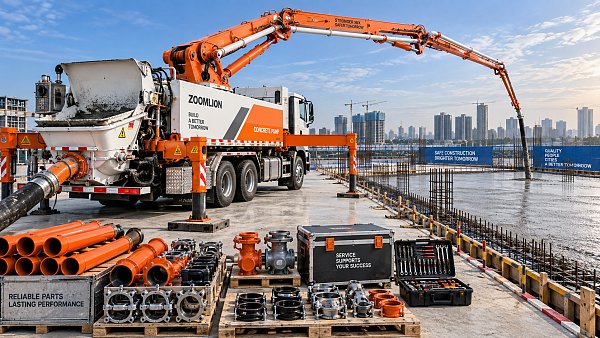
 Sep 16, 2026What to verify before choosing a mobile concrete pump supplierMobile concrete pump supplier selection made simple: verify performance, safety, parts availability, service support, and lifecycle cost before you invest.
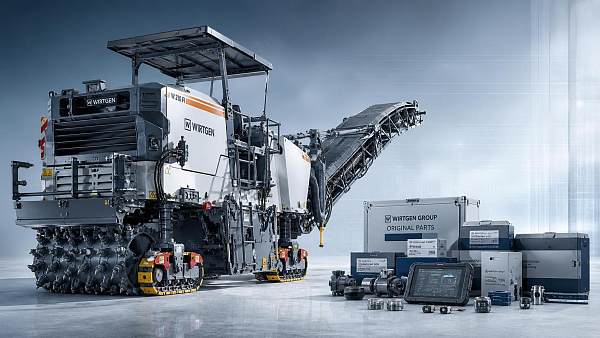
 Aug 20, 2026When does a cold milling machine OEM make sense over a generic supplier?Cold milling machine OEM or generic supplier? Learn when OEM support, parts traceability, uptime, and lifecycle value justify the higher cost.
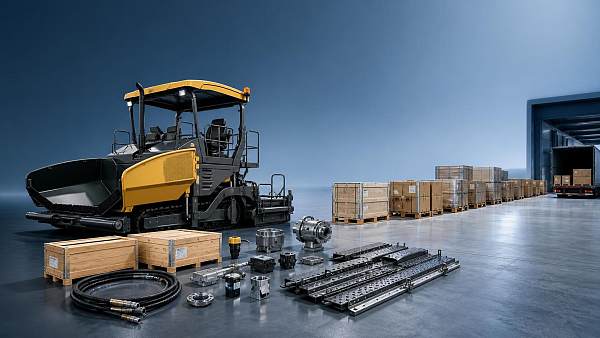
 Aug 06, 2026How to Evaluate an Asphalt Paver Wholesale Supplier for Parts Support and Lead TimesAsphalt paver wholesale supplier evaluation starts with parts support and lead times. Learn how to compare inventory, technical service, and downtime risk before you buy.
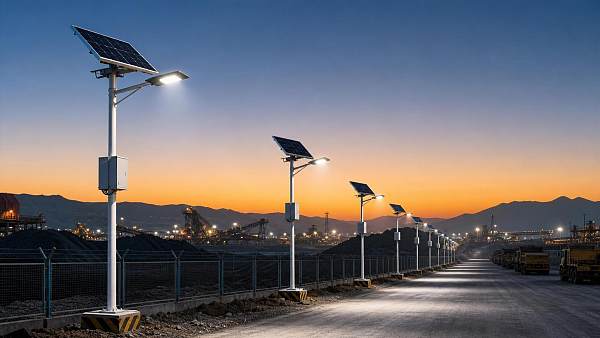
 Jun 24, 2026Solar Street Lights: Cost, Lifespan, and Off-Grid PlanningSolar street lights guide: compare real cost, lifespan, battery replacement, and off-grid planning to choose reliable lighting for industrial and remote sites.