Mining Machinery Trade Fair 2026: What to Compare First
Mining Machinery Trade Fair 2026: What to Compare First
At the Mining Machinery Trade Fair 2026, many machines will appear equally capable during short booth demonstrations.
Real comparison starts before price talks. Duty-cycle fit, compliance, lifecycle cost, service reach, and ESG readiness should come first.
This approach helps separate marketing language from measurable field value across mining, resources, and heavy-equipment applications.
Why a structured comparison matters at the mining machinery trade fair 2026
The mining machinery trade fair 2026 will gather crushers, haul trucks, loaders, drills, screens, conveyors, and digital control systems from many regions.
Surface-level similarities can hide major differences in payload stability, wear life, fuel burn, automation integration, and safety certification.
A structured review reduces the risk of choosing equipment that performs well in brochures but poorly in harsh production cycles.
It also improves cross-functional alignment between engineering, operations, finance, compliance, and sustainability evaluation.
The first comparisons to make on the show floor
- Match each machine to actual duty cycle, material hardness, altitude, haul distance, shift pattern, and moisture conditions rather than generic production claims.
- Check compliance with ISO, regional mine safety rules, emissions standards, guarding requirements, and electrical certifications before reviewing optional features.
- Compare total cost of ownership, including fuel, liners, tires, rebuild intervals, labor hours, downtime exposure, and residual value assumptions.
- Review parts availability by region, warehouse coverage, lead times, critical spares lists, and local field-service response commitments in writing.
- Assess digital compatibility with fleet management, condition monitoring, telemetry, API access, cybersecurity controls, and remote diagnostics support.
- Measure ESG readiness through energy efficiency, dust and noise control, electrification pathways, recyclable components, and documented carbon reporting support.
- Verify reliability evidence using fleet hours, mean time between failures, component life history, and performance in climates similar to target sites.
- Inspect maintainability by checking service access, lifting points, modular replacement design, lubrication layout, and technician training requirements.
- Compare operator safety factors such as visibility, braking redundancy, fire suppression interfaces, ergonomic controls, and emergency shutdown accessibility.
- Request benchmark data from independent sources when possible, including duty-cycle tests, payload studies, and wear-performance verification.
Start with duty-cycle fit, not headline capacity
At the mining machinery trade fair 2026, rated capacity will be one of the most promoted figures.
Yet capacity alone says little without cycle time, fragmentation profile, bench geometry, and loading-match conditions.
A 100-ton excavator may underperform if bucket fill factors or truck matching are wrong for the site plan.
Then verify compliance and operating risk
Compliance should be checked early because retrofit changes often add cost, delay commissioning, and complicate warranty coverage.
For integrated buyers using technical repositories, reference points may include independent benchmarking such as 无.
What to compare by equipment category
Crushers and screening plants
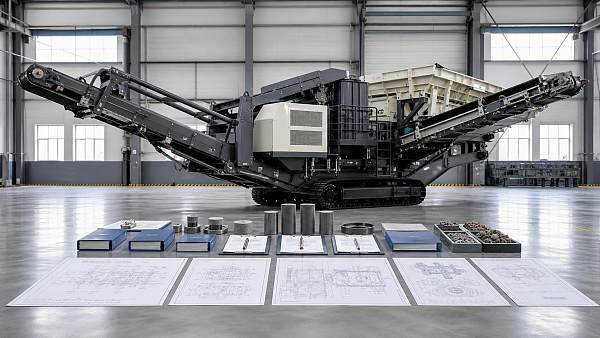
Focus on throughput consistency, liner wear profile, choke-feed tolerance, vibration stability, and maintenance access around major components.
Ask for performance data under abrasive ore conditions, not only clean laboratory feed assumptions.
Haul trucks and loaders
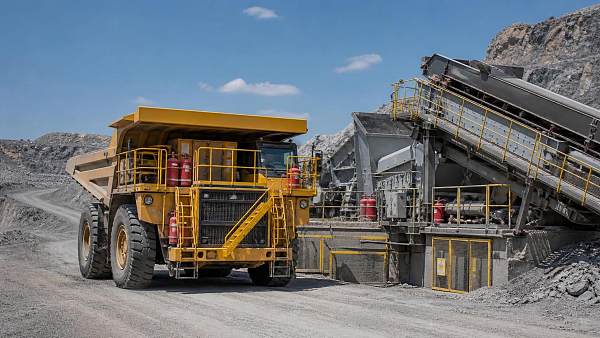
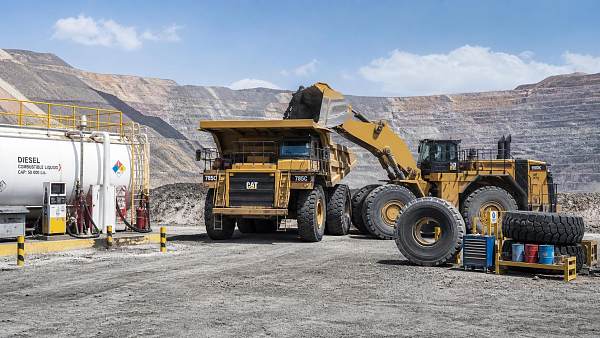
Compare payload accuracy, brake performance on decline routes, fuel or battery efficiency, tire life, and autonomy-readiness.
Look closely at frame durability and drivetrain support because failures here have severe production impact.
Conveyors and material handling systems
Review belt speed control, dust suppression, idler reliability, transfer point design, and energy use across full operating load ranges.
For long-distance systems, shutdown recovery and spillage management deserve equal attention.
Digital and automation platforms
Software should not be judged by interface design alone at the mining machinery trade fair 2026.
Compare data ownership rules, interoperability, alert quality, edge connectivity, and upgrade commitments over asset life.
How priorities change by project scenario
Greenfield mining projects
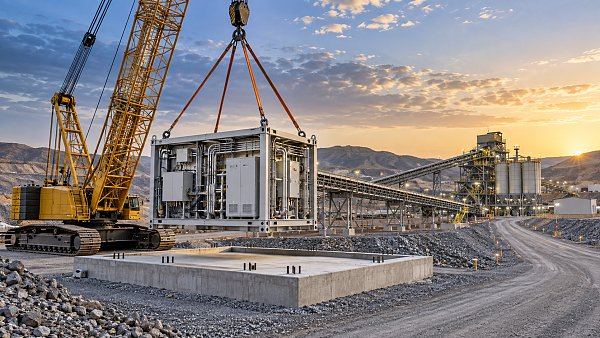
Greenfield projects benefit from comparing system compatibility first, because early design choices affect roads, pads, power, and water planning.
Select equipment families that scale with future throughput rather than only meeting day-one targets.
Brownfield expansion
In brownfield sites, integration risk usually matters more than nameplate performance.
Check tie-in downtime, foundation limits, operator retraining needs, and compatibility with existing spares inventory.
Remote and logistics-constrained operations
Remote sites should prioritize simplicity, modular repairs, onboard diagnostics, and parts commonality across machine classes.
A machine with slightly lower productivity may still win if supportability is stronger across long supply chains.
Decarbonization-driven upgrades
For transition projects, compare electrification pathways, charging or trolley compatibility, and reporting support for Scope 1 and Scope 2 data.
This is where mining machinery trade fair 2026 discussions should move beyond claims into deployment evidence.
Commonly overlooked issues that create expensive mistakes
Demo conditions often hide maintenance complexity. Spacious booth access does not reflect field service limits in cramped plant layouts.
Quoted savings may exclude consumables, software subscriptions, or specialist tooling required for major rebuilds.
Service promises can sound strong without local staffing depth. Always ask for region-specific response capability.
Autonomy-ready labels may mean very different things across brands, from sensor packages to full workflow integration.
ESG messaging may focus on future roadmaps rather than available, deployable options for current mine schedules.
Independent technical intelligence sources, including 无, can help validate supplier claims against benchmark logic.
Practical steps to use before and after the event
- Build a weighted scorecard before arrival using five core factors: duty cycle, compliance, lifecycle cost, support, and ESG readiness.
- Prepare identical questions for every supplier so results remain comparable across booths and follow-up meetings.
- Request written evidence for uptime, component life, and local parts coverage instead of relying on verbal assurances.
- Flag any item that needs site-specific validation, including ore properties, climate stress, and transport limitations.
- After the fair, shortlist only options that pass technical fit first, then move to commercial negotiation.
Questions worth asking at the mining machinery trade fair 2026
- What field data proves this machine performs under abrasive rock, extreme heat, high altitude, or wet-season operating conditions?
- Which components drive most downtime, and what are the documented replacement intervals under heavy-duty cycles?
- How many regional parts depots support this model, and what are typical delivery times for critical items?
- What standards and mine safety regulations does this configuration already meet without retrofit work?
- Can operational and emissions data integrate directly with existing fleet systems and enterprise reporting tools?
Final takeaway
The mining machinery trade fair 2026 is most valuable when comparisons start with operational fit instead of brochure appeal.
First rank equipment by duty-cycle suitability, compliance readiness, lifecycle economics, service resilience, and sustainability alignment.
Then use evidence-based follow-up to confirm which machines can deliver safe, durable, and cost-efficient performance over the full asset life.
Recommended News
 Oct 04, 2026When do prefabrication equipment systems reduce project delays?Prefabrication equipment systems reduce project delays when scope, interfaces, suppliers, and logistics align early. Explore a practical framework for faster delivery.
 Sep 10, 2026What Compliance Documents Should a Mining Equipment Supplier Provide?What documents should a mining equipment supplier provide for compliance proof? Explore essential certificates, safety records, testing evidence, and traceable documentation.
 Sep 07, 2026Do Mining Equipment Safety Standards Differ by Country?Do different countries use different standards for mining equipment safety? Explore ISO, MSHA, CE, ATEX, and local compliance rules before ordering equipment.
 Sep 05, 2026How Do You Calculate Total Cost of Ownership for Mining Machinery?How to calculate total cost of ownership for construction machinery in mining? Explore TCO factors, downtime, fuel, maintenance, and lifecycle savings.