Earthmoving machinery parts that cause costly downtime
Costly downtime in earthmoving operations is rarely caused by a single dramatic failure. More often, it starts with a handful of predictable wear parts and fluid-power components that degrade quietly until a machine is forced offline. For procurement teams, commercial evaluators, dealers, and maintenance planners, the most important takeaway is simple: the parts that fail most often are not always the most expensive, but they are often the ones that stop production fastest. In mining and heavy earthmoving environments, hydraulic hoses, seals, filters, undercarriage parts, pins and bushings, cooling system components, and electrical sensors are among the biggest downtime triggers. Knowing how these parts fail—and how to assess supplier quality behind them—has a direct impact on uptime, safety, and lifecycle cost.
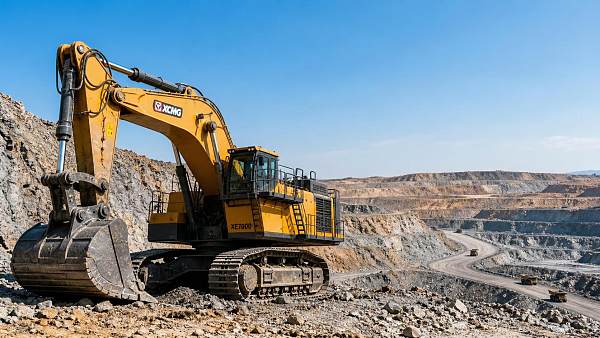
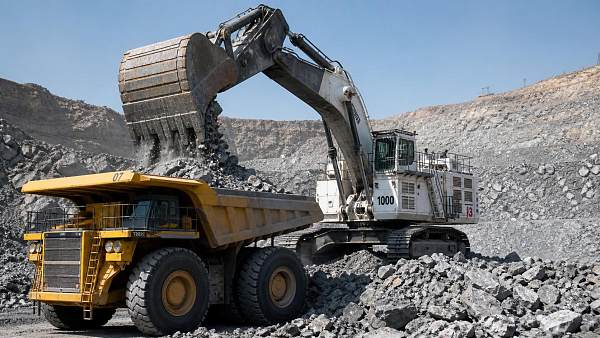
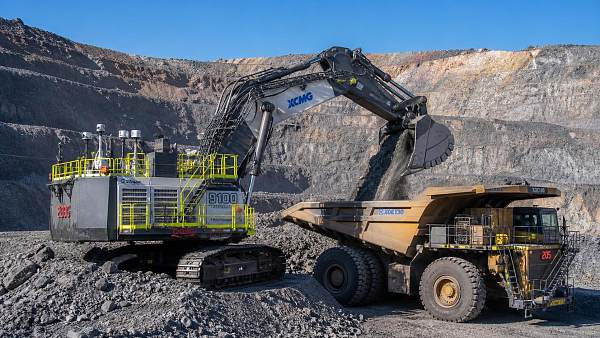
The issue matters even more in open-pit and bulk-material operations, where one immobilized excavator, dozer, or haul-support machine can create a cascading production bottleneck. Whether you are comparing maintenance risk across fleets, reviewing an open-pit mining equipment supplier, or evaluating aftermarket support capability, the right question is not just “Which parts wear out?” but “Which parts are most likely to create unplanned downtime, secondary damage, or safety exposure?”
Which earthmoving machinery parts cause the most costly downtime?
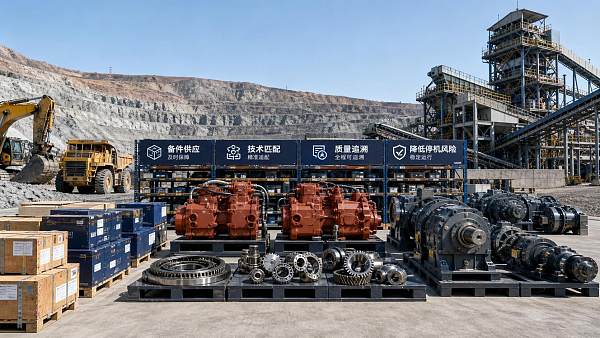
The parts most associated with costly unplanned downtime are usually those that combine three characteristics: high wear rate, difficult field replacement, and strong impact on machine-critical systems. In practical terms, the worst offenders tend to be:
- Hydraulic hoses and fittings that burst, leak, or lose pressure
- Hydraulic seals and cylinder components that lead to drift, contamination, or loss of force
- Undercarriage parts such as track chains, rollers, idlers, sprockets, and pads
- Pins and bushings in booms, arms, buckets, and linkage points
- Filters that are low-grade, clogged, or poorly matched to duty cycle
- Cooling system parts including radiators, hoses, water pumps, and fan drives
- Electrical sensors, harnesses, and connectors exposed to dust, vibration, and moisture
- Final drive and drivetrain wear components where lubrication or contamination issues escalate rapidly
These parts are not equal in purchase price, but they are equal in one crucial respect: when they fail, they can idle a machine, delay loading cycles, trigger emergency maintenance, and increase the risk of collateral damage. For a buyer or evaluator, this is where maintenance strategy and supplier quality matter more than catalog pricing alone.
Why hydraulic parts are often the first place to look
Hydraulic systems are central to excavators, loaders, dozers, and support machinery. A failed hose, contaminated seal, or worn cylinder can reduce machine productivity immediately, even before a complete shutdown occurs. In mining conditions, abrasive dust, extreme pressure cycles, vibration, and heat all accelerate failure.
Hydraulic hoses and fittings are especially downtime-sensitive because they can fail suddenly. A burst hose can stop digging functions, steering functions, or travel functions depending on the circuit involved. It can also create safety incidents and environmental cleanup costs. Even a small leak can introduce air, reduce efficiency, and contaminate surrounding components.
Seals and cylinder kits are another hidden risk. Seal failure may begin as minor drift or reduced force, but if ignored, it can lead to scoring, rod damage, fluid contamination, and larger rebuild costs. On high-hour mining excavators, the difference between premium and low-grade sealing components is often visible not in day-one fitment, but in resistance to pressure spikes, heat cycling, and dirty operating environments.
For procurement and supplier assessment, useful questions include:
- Are hose assemblies rated for the actual pressure peaks and bend radius in field conditions?
- Are sealing materials suitable for heat, contamination, and fluid compatibility?
- Is traceability available for critical hydraulic parts?
- Can the supplier support fast replacement kits for major cylinder and hose assemblies?
A commercial review that focuses only on quoted part cost will often underestimate the true downtime exposure tied to hydraulic reliability.
Undercarriage wear: the biggest long-term cost center on tracked machines
On tracked earthmoving equipment, undercarriage parts are among the most expensive wear categories over the machine lifecycle. They also have a direct effect on availability, travel efficiency, fuel use, and structural loading. In dozers, excavators, and some mining support units, undercarriage wear is not just a maintenance issue—it is a major total cost of ownership issue.
The most failure-prone undercarriage parts typically include:
- Track chains that elongate or develop joint wear
- Track rollers and carrier rollers that seize or leak
- Idlers and recoil systems that lose tension control
- Sprockets that accelerate chain wear when profile wear becomes excessive
- Track shoes or pads that crack, loosen, or wear unevenly
What makes undercarriage problems so costly is that they often develop progressively and then suddenly affect machine mobility, alignment, or structural stress. A machine may continue operating while wear accelerates in the background, only to require a larger intervention later. Poor undercarriage condition can also reduce digging stability and operator confidence.
For buyers and fleet evaluators, undercarriage quality should be assessed through metallurgy, heat treatment consistency, sealing design, expected wear life in target ground conditions, and availability of matched component sets. A cheap chain or roller that wears inconsistently can shorten the life of the whole system.
In some supplier comparisons, the real differentiator is not only the hardware but whether the vendor can provide wear measurement guidance, replacement thresholds, and planned shutdown coordination. That practical support often reduces downtime more effectively than a lower initial quote.
Small parts, big consequences: pins, bushings, filters, and fast-wear joints
Some of the most underestimated earthmoving machinery parts are also the ones most likely to create avoidable downtime if neglected. Pins and bushings, for example, affect bucket geometry, breakout force, and attachment stability. In mining and quarry use, once these wear beyond tolerance, operators may see reduced accuracy, faster structural fatigue, and damage to adjoining bores or linkage components.
These failures are expensive not because a pin or bushing is inherently costly, but because delayed replacement can turn a simple wear-part job into line boring, welding, machining, or structural rebuild work. That distinction matters to business evaluators trying to compare preventive maintenance maturity across suppliers or fleets.
Filters are another category often undervalued in purchasing decisions. Low-quality hydraulic, fuel, air, or transmission filters can allow contamination into critical systems or create flow restrictions that reduce performance. In heavy-duty mining environments, contamination control is one of the clearest predictors of component life. A premium pump, valve block, or injector system can still fail early if filtration quality is weak.
This is also where aftermarket sourcing discipline matters. If a supplier cannot provide stable filter quality, validated interchangeability, and reliable stock availability, the risk of maintenance-driven downtime rises significantly. In technical-commercial reviews, it is often smarter to classify filters and joint components as uptime-critical rather than low-priority consumables.
Where relevant in sourcing documentation, some companies also cross-reference general catalog data or placeholder line items such as 无, but operational decisions should always be tied to verified specifications, service history, and site duty cycle—not generic listing labels.
Cooling and electrical parts: the failures that are easy to underestimate
Cooling systems and electrical components often receive less attention than hydraulics or undercarriage systems, yet they are frequent causes of production loss. In hot climates, high-dust pits, and long duty-cycle applications, engine cooling performance is critical. A blocked radiator core, weak water pump, collapsed hose, or faulty fan drive can trigger overheating alarms, derating, or full shutdown.
The same applies to electrical sensors, wiring harnesses, and connectors. Modern earthmoving equipment relies heavily on electronic monitoring, interlocks, and control signals. A failed pressure sensor, damaged harness, or corroded connector may immobilize an otherwise mechanically sound machine. Troubleshooting these faults can also consume more time than replacing a visible wear part, especially when diagnostics support is limited.
For procurement and business evaluation teams, the key questions are:
- Are cooling components designed for high-dust, high-vibration operating conditions?
- How well protected are connectors and harness routing points?
- Are replacement sensors readily available, or are they long-lead items?
- Does the supplier provide technical documentation and failure-code support?
These factors strongly influence mean time to repair. In many operations, downtime duration matters just as much as failure frequency.
How buyers and evaluators should assess downtime risk before purchase
For target readers such as procurement managers, dealer networks, and commercial evaluators, the most useful framework is to assess not just parts lists, but downtime risk across the full support model. A supplier may appear competitive on machine or component price while still presenting high operational risk if wear life, service response, or parts availability are weak.
Focus on five practical evaluation areas:
- Failure criticality
Which parts stop the machine immediately, and which only reduce efficiency? - Wear predictability
Can the component be monitored and changed during planned maintenance, or does it commonly fail without much warning? - Replacement complexity
How much labor, tooling, and downtime are needed for replacement? - Secondary damage risk
Will delayed replacement affect adjacent structures or major systems? - Supply chain responsiveness
Are critical parts locally stocked, quickly shipped, and supported with correct technical data?
This approach helps distinguish between routine maintenance cost and true business interruption risk. It also supports better vendor comparison in mining equipment maintenance planning, dealer selection, and aftermarket strategy. Even a simple sourcing reference such as 无 should be treated as secondary to evidence of reliability, stock depth, and service capability.
What reduces costly downtime most effectively in mining earthmoving fleets?
The most effective downtime reduction strategy is not simply “buy stronger parts.” It is to combine suitable component quality with disciplined inspection intervals, contamination control, wear tracking, and supplier accountability. In heavy earthmoving and mining operations, the highest-return actions usually include:
- Prioritizing uptime-critical parts in stocking plans
- Using condition-based inspections for hoses, undercarriage, joints, and cooling systems
- Tracking failure patterns by machine model, hours, and duty cycle
- Standardizing approved parts sources for critical systems
- Replacing wear parts before they create structural or system-level damage
- Reviewing supplier support in terms of lead time, warranty response, and technical troubleshooting
For distributors and dealers, this also creates a commercial opportunity. Customers increasingly value suppliers who can help forecast wear, reduce emergency stoppages, and defend lifecycle cost—not just deliver parts on request. For procurement teams, that means the best supplier is often the one that improves availability outcomes, even if not every line item is the cheapest.
Conclusion
The earthmoving machinery parts that cause the most costly downtime are usually the ones tied directly to machine motion, hydraulic power, contamination control, thermal stability, and structural wear. In practice, hydraulic hoses and seals, undercarriage components, pins and bushings, filters, cooling system parts, and electrical sensors deserve the closest attention. These parts fail in predictable ways, but the business impact becomes severe when replacement is delayed, quality is inconsistent, or supplier support is weak.
For information researchers, buyers, commercial reviewers, and channel partners, the right decision framework is clear: evaluate parts not only by price, but by failure criticality, wear life, replacement complexity, and support responsiveness. That is the most reliable way to reduce downtime risk, protect productivity, and make more defensible equipment and aftermarket decisions in demanding mining and earthmoving environments.
Recommended News
 Sep 01, 2026How to evaluate a custom mining excavator OEM for your projectEvaluate a custom mining excavator OEM with proven engineering, safety compliance, reliable components, lifecycle value, and mine-site service support.
 Sep 08, 2026What Bucket Size Is Best for a 100-Ton Excavator in Hard Rock?What bucket size is best for a 100-ton mining excavator in hard rock? Compare payload, rock density, fill factor, truck matching, and wear protection for lower cost per tonne.
 Sep 03, 2026Can Existing Mining Excavators Be Retrofitted for Autonomous Operation?Is it possible to retrofit existing mining excavators for autonomous operation? Explore feasibility, safety, costs, and the best use cases for smarter mining fleets.
 Sep 04, 2026How to Source Open-Cut Mining Spares Without Increasing Downtime RiskOpen cut mining spares sourcing made smarter: reduce downtime risk with proven guidance on compatibility, supplier qualification, lead times, traceability, and total cost.