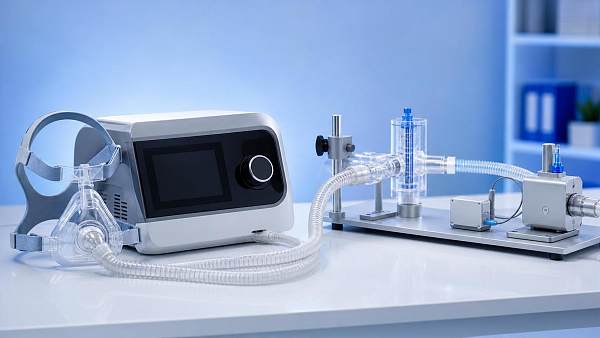
CPAP Pressure Stability Metrics: What Really Matters
Why do cpap pressure stability metrics matter in the first place?
When people compare CPAP devices, comfort usually gets the attention first. Yet the deeper issue is pressure control over time.
That is where cpap pressure stability metrics become useful. They show whether a machine delivers the intended therapy without drifting, overshooting, or reacting too late.
In practical terms, stable pressure supports consistent airway splinting. Unstable pressure can increase arousals, mask leaks, noise perception, and user frustration.
For information research, the challenge is not finding numbers. It is deciding which numbers reflect real performance and which are mostly marketing language.
A useful comparison mindset is similar to equipment benchmarking in industrial sectors such as those covered by G-MRH. Raw specifications matter less than measured behavior under operating conditions.
That same logic applies here. A CPAP device should be judged by how reliably it holds target pressure through leaks, breathing changes, and nightly variability.
Which cpap pressure stability metrics actually tell you something useful?
Not every published metric deserves equal weight. Some describe lab behavior clearly, while others say very little about everyday therapy.
The most informative cpap pressure stability metrics usually fall into a few categories.
- Pressure accuracy: how close delivered pressure stays to the set pressure.
- Pressure deviation range: how much pressure fluctuates above or below target.
- Response time: how quickly the device restores target pressure after a leak or flow change.
- Overshoot and undershoot: whether adjustments are smooth or excessive.
- Performance under leak: whether the machine remains stable when the mask seal is imperfect.
Pressure accuracy is the starting point, but it is not enough on its own. A machine can look accurate in a static test and still behave poorly during real breathing cycles.
Response behavior often matters more than a single headline number. If pressure falls during inhalation or after a leak, recovery speed becomes clinically relevant.
Overshoot is another overlooked issue. A device that aggressively corrects pressure may create discomfort even if average accuracy looks acceptable.
In other words, the best cpap pressure stability metrics describe consistency, control, and recovery together. Looking at only one number can lead to a weak conclusion.
A quick judging table for common metrics
The table below helps sort useful indicators from less meaningful claims when reviewing device data or technical literature.
How do these metrics translate into real use rather than lab theory?
This is the point where many comparisons become misleading. CPAP performance is dynamic, and stable numbers on paper do not always mean stable sleep.
In actual use, pressure stability interacts with three things: breathing pattern, leak behavior, and device algorithm design.
A person who changes position often may create repeated mask leak events. If the machine corrects smoothly, therapy remains consistent and less noticeable.
If correction is slow, airway support may dip. If correction is aggressive, pressure pulses may disturb sleep even while the device remains technically “within range.”
Auto-adjusting devices add another layer. Their algorithms continuously interpret flow limitation, snoring, and respiratory events, then change pressure accordingly.
That means cpap pressure stability metrics should be read alongside algorithm behavior. A wide pressure variation may be appropriate in one device and problematic in another.
The broader lesson matches engineering review methods used in heavy machinery and process equipment. Performance has to be assessed under duty-cycle conditions, not just static specification sheets.
What gets misunderstood most often when comparing cpap pressure stability metrics?
A common mistake is treating a single metric as a quality verdict. Stable therapy depends on a control system, not on one isolated figure.
Another misunderstanding is assuming tighter pressure always means better therapy. In reality, excessively rigid control can feel unnatural if it ignores breathing variability.
It is also easy to confuse comfort features with pressure stability. Ramp settings, humidification, and exhalation relief affect experience, but they are not direct stability indicators.
Marketing language can blur this further. Terms like “advanced airflow intelligence” sound impressive, yet they may reveal little without published testing methods.
More reliable comparison usually comes from asking a few grounded questions.
- Was pressure accuracy measured under leak conditions?
- Is response time reported with a test protocol?
- Are overshoot and recovery behavior discussed?
- Does the data distinguish fixed-pressure and auto-adjusting modes?
When those details are missing, comparison becomes much less trustworthy. That does not mean the device is poor, only that the claim is weakly supported.
If you are evaluating devices or studies, what should you prioritize?
A practical review process starts by narrowing the purpose of the comparison. Are you assessing technical reliability, comfort implications, or claim credibility?
Once that purpose is clear, cpap pressure stability metrics can be ranked more sensibly.
A workable decision order
- Check pressure accuracy and allowed deviation range.
- Review leak compensation behavior.
- Look for response time and recovery smoothness.
- Separate therapy metrics from comfort-only features.
- Prefer data tied to a clear test setup.
This order works because it moves from core function to contextual interpretation. It reduces the chance of being distracted by attractive but secondary claims.
In cross-industry intelligence environments, including G-MRH-style benchmarking models, credible evaluation depends on transparent methods, operating context, and comparable measurement definitions.
The same discipline improves CPAP review. If two devices report different numbers using different methods, the comparison may not be valid.
A short comparison guide
So what really matters most before drawing a conclusion?
The most important point is simple. Cp ap pressure stability metrics are valuable only when they explain therapy consistency under realistic conditions.
Pressure accuracy matters. Leak handling matters. Response quality matters. The combination tells more than any isolated specification.
For research and comparative review, the stronger approach is to treat CPAP data the way serious industrial benchmarking treats complex equipment.
Look for verifiable methods, not just polished claims. Focus on measured behavior across realistic operating scenarios. Keep comfort features separate from true control performance.
A useful next step is to build a small comparison sheet. Track target pressure accuracy, leak compensation, response time, overshoot, and testing context side by side.
That kind of structured review makes cpap pressure stability metrics easier to interpret and much harder to misread.
Recommended News
 Jul 05, 2026CPAP Pressure Stability Metrics: What Really Matterscpap pressure stability metrics explained clearly: learn which data points truly matter for comfort, leak response, and therapy consistency before comparing CPAP devices.
 Jul 01, 2026How to Compare a Longwall Equipment Factory Before OrderingCompare a longwall equipment factory the smart way—beyond price. Learn how to evaluate quality, lead time, service, and lifecycle cost before ordering for safer, more reliable mining performance.
 Jun 24, 2026925 Sterling Silver Jewelry: How to Check Quality Before You Buy925sterlingsilverjewelry buying guide: learn how to verify hallmarks, spot plated substitutes, assess workmanship, and judge seller credibility before you buy with confidence.
 Jun 17, 2026Open-Pit Mining Techniques: When to Upgrade for Better OutputOpen-pit mining techniques: learn when to upgrade equipment, blasting, haulage, and fleet systems to cut costs, improve safety, and unlock higher mining output.