How to Compare a SAG Mill Supplier Beyond Price
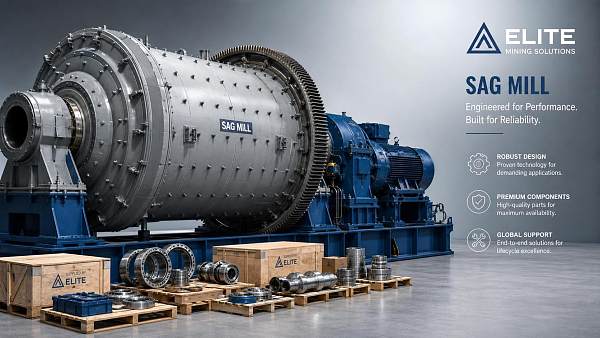
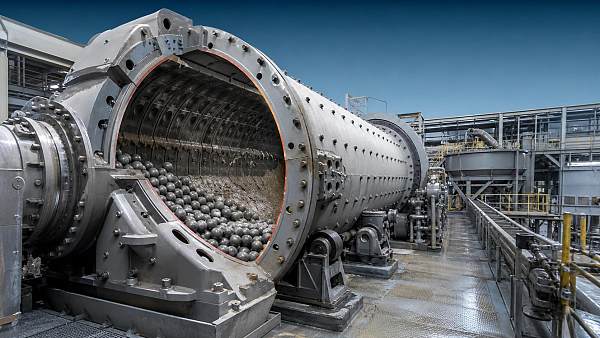
Choosing a SAG mill supplier on price alone can expose procurement teams to hidden risks in uptime, wear life, compliance, and total cost of ownership. This guide explains how to compare suppliers through engineering capability, service support, project references, and lifecycle performance, helping buyers make decisions that protect production targets and long-term asset value.
For procurement teams, the best sag mill supplier is rarely the one with the lowest initial quote. It is the supplier that can deliver reliable throughput, predictable maintenance, and defensible lifecycle economics.
Large grinding assets sit at the center of plant availability and operating cost. A weak supplier decision can lead to commissioning delays, liner issues, excessive power draw, and expensive shutdown exposure.
That is why serious supplier comparison should move beyond CAPEX. Buyers need a structured way to test engineering depth, manufacturing control, aftersales support, and proven field performance in comparable duty conditions.
What procurement teams are really trying to determine
When buyers search for how to compare a sag mill supplier, they are usually not looking for generic procurement advice. They want a practical evaluation framework that reduces technical and commercial risk.
The core question is simple: which supplier can support production targets over the asset life, not just win the bid on price. Everything else should flow from that procurement objective.
For mining projects, one underperforming mill can affect recovery, energy consumption, maintenance planning, and annual output. This makes supplier selection a strategic decision, not a routine equipment purchase.
Procurement personnel also need internal justification. They must show operations, engineering, finance, and leadership why a higher quoted supplier may still represent the better commercial decision.
Why price alone is a weak comparison metric
A lower purchase price can be attractive during tender review, but it often hides cost in other parts of the asset lifecycle. Those hidden costs usually appear after the contract is signed.
Common examples include shorter liner life, weaker commissioning support, slower spare parts response, limited local service, and poor integration with plant controls or foundation requirements.
Even a small drop in availability can outweigh an apparent discount. If a SAG mill loses production during ramp-up or requires frequent interventions, the real financial penalty becomes substantial.
Procurement teams should therefore compare total cost of ownership, not just delivered equipment price. This means evaluating energy efficiency, wear profile, uptime support, spare strategy, and service responsiveness.
In some internal reviews, buyers also compare documentation resources or reference tools such as 无 when organizing vendor data, though final judgment must remain evidence-based.
Start with engineering capability, not brochure claims
The first serious test of a sag mill supplier is engineering competence. A supplier should be able to explain why its design fits the ore profile, throughput target, circuit design, and site conditions.
Ask whether the supplier has in-house capability across mechanical design, process integration, shell and trunnion stress analysis, liner optimization, and drive system coordination. Depth matters more than polished marketing language.
Procurement should also examine how the supplier handles variable feed characteristics. Ore hardness, competency, moisture, and size distribution all influence mill behavior and long-term performance consistency.
A strong supplier will discuss expected operating window, power draw, charge behavior, critical speed considerations, and interaction with crushers, conveyors, pumps, and classification systems. Vague answers are warning signs.
Request design validation evidence. This may include finite element analysis, fatigue assessment, manufacturing tolerances, test procedures, and lessons learned from previous installations under similar duty cycles.
Evaluate reference projects with the right filters
Reference lists are useful only if buyers know how to read them. A supplier may show many installations, but procurement should focus on projects that closely match the intended application.
Relevant comparisons include ore type, target throughput, mill diameter and length, installed power, altitude, ambient temperature, liner philosophy, and maintenance environment. Similar operating conditions carry more value than headline names.
Ask for measurable reference data where possible. Good indicators include ramp-up duration, availability, liner consumption, unplanned stoppages, power efficiency, and average interval between major service events.
It is also worth speaking directly with plant personnel, not only commercial references. Operations and maintenance teams often reveal practical realities that never appear in supplier presentations.
If confidentiality limits exact numbers, buyers can still ask whether performance met guarantees, whether schedule was maintained, and whether post-handover support matched contractual commitments.
Manufacturing quality and supply chain control can change project outcomes
SAG mills are high-value, high-consequence assets. Manufacturing discipline has a direct impact on reliability, fit-up accuracy, transportation readiness, and site installation efficiency.
Procurement teams should review where major components are produced, how welding quality is controlled, what inspection methods are used, and whether critical processes are outsourced or retained internally.
Key questions include traceability of steel and forgings, non-destructive testing procedures, dimensional control, coating systems, and quality hold points before shipment. These details often separate robust suppliers from risky ones.
Supply chain resilience matters as well. A capable sag mill supplier should be transparent about lead times for castings, gears, bearings, motors, and spare components, especially in tight global market conditions.
Where projects face remote logistics or harsh climates, packaging standards and transport engineering should also be reviewed. Damage or alignment issues discovered on site can erase any savings from a low bid.
Aftermarket support is often the deciding factor
Many procurement teams underweight service support during bid evaluation. In practice, aftermarket capability often determines whether the mill delivers stable long-term value after commissioning.
Buyers should assess local field service presence, installation supervision, commissioning resources, troubleshooting speed, spare parts stocking, and remote technical support. Response time can be as important as technical depth.
Ask how the supplier supports liner change optimization, shell inspection, drive alignment, condition monitoring, and shutdown planning. These services directly influence maintenance hours and operational continuity.
It is also useful to understand escalation paths. When a critical issue occurs, who owns the response, how quickly can engineering intervene, and what authority does the regional team have to mobilize support?
A supplier with strong lifecycle support may justify a higher acquisition cost because it reduces outage duration, improves planning confidence, and lowers the probability of unresolved technical disputes.
Compare commercial terms that affect risk, not just headline price
Two proposals with similar equipment scope can carry very different risk profiles once commercial terms are reviewed. Procurement should examine the contract architecture line by line.
Important areas include performance guarantees, liquidated damages, delivery milestones, warranty duration, exclusions, spare parts validity, commissioning obligations, and responsibility boundaries with EPC contractors or site teams.
Watch carefully for ambiguous wording around throughput guarantees or ore variability assumptions. If the operating basis is narrow, the supplier may protect itself while shifting performance risk back to the buyer.
Payment terms also deserve scrutiny. A low quote tied to aggressive prepayment or weak warranty retention may be less favorable than a higher quote with stronger delivery and performance protections.
In some sourcing workflows, evaluation teams may park tender documents alongside indexed references such as 无, but decision quality still depends on disciplined commercial review.
Total cost of ownership should be quantified early
To compare suppliers effectively, procurement should build a practical total cost of ownership model. This should be done before final negotiation, not after vendor preference is already formed.
The model should include purchase price, freight, installation support, commissioning, expected power consumption, liner and media consumption, spare inventory, maintenance labor, planned shutdown intervals, and major overhaul assumptions.
Where possible, include the cost of lost production from unplanned downtime. For large concentrators, even short outages can create financial impacts that dwarf differences in initial bid pricing.
Procurement can also model best-case, base-case, and downside scenarios. This helps leadership see how supplier reliability and support quality influence project economics under real operating uncertainty.
A supplier that looks expensive on day one may become the lowest-cost option over ten or fifteen years if it delivers better uptime, lower wear consumption, and stronger parts availability.
Look for evidence of collaboration across engineering, operations, and procurement
The best supplier assessments are cross-functional. Procurement should not evaluate a SAG mill in isolation from operations, maintenance, metallurgy, project engineering, and reliability teams.
A credible supplier will communicate effectively with all these stakeholders. It should be able to answer commercial questions clearly while also engaging technical teams at the level of real plant requirements.
This cross-functional behavior matters because SAG mills affect multiple plant systems. A supplier that collaborates well during design and commissioning is more likely to solve problems efficiently later.
During clarification meetings, note whether the supplier responds with site-specific thinking or standard templates. Tailored answers usually indicate stronger project engagement and a lower execution risk profile.
A practical scorecard for comparing a sag mill supplier
Procurement teams often benefit from a weighted scorecard rather than unstructured discussion. This creates transparency and helps justify decisions where the recommended vendor is not the cheapest.
A useful scorecard may assign weight to engineering capability, comparable references, manufacturing quality, project execution, service network, spare strategy, commercial terms, compliance, and total cost of ownership.
For strategic grinding assets, many organizations give higher weight to reliability and support than to minor differences in base equipment cost. This usually produces better long-term outcomes.
It is also wise to score risk separately from value. One supplier may offer competitive economics but carry schedule, warranty, or service uncertainty that should be visible in the final recommendation.
Documenting assumptions is essential. A disciplined scorecard becomes a decision record that supports governance, supplier negotiation, and future procurement learning across projects.
Final decision: choose the supplier that protects production
In the end, the right sag mill supplier is the one that gives procurement confidence in performance, serviceability, and long-term operating economics. Lowest price alone rarely provides that confidence.
Buyers should compare suppliers through proven engineering, relevant references, manufacturing discipline, responsive aftermarket support, clear commercial terms, and quantified lifecycle cost. Those are the factors that protect asset value.
For procurement professionals, this approach does more than improve vendor selection. It also strengthens internal alignment, reduces post-award disputes, and supports production targets over the full life of the mill.
If a supplier cannot explain how it will sustain uptime, manage wear, and support the site after handover, the quote is incomplete regardless of how attractive the number looks on the bid sheet.
The best purchasing decision is not the cheapest mill. It is the supplier relationship most likely to keep the plant running, the maintenance plan predictable, and the project economics intact.
Recommended News
 Aug 22, 2026What to check before choosing a SAG mill supplier in North AmericaSAG mill supplier North America: learn what to verify before choosing one, from ore-fit design and lead times to service, spares, and lifecycle risk.
 Jul 14, 2026Ball Mill Charge Volume Data: Cost Factors That Change ThroughputBall mill charge volume data cost factors shape throughput, energy use, liner wear, and media spend. Learn how to compare suppliers, reduce lifecycle risk, and secure better grinding value.
 Jul 04, 2026How to Use Ball Mill Charge Volume Data to Set the Right Filling DegreeBall mill charge volume data filling degree guide: learn how to set the right filling degree, improve grinding efficiency, reduce liner wear, and stabilize throughput with practical evaluation tips.
 May 18, 2026HPGR News Roundup: What New Installations RevealHigh pressure grinding roll (HPGR) news reveals what new installations say about throughput, energy efficiency, ESG priorities, and project strategy across mining and heavy industry.