When to Choose a Linear Vibrating Screen Supplier
When to Choose a Linear Vibrating Screen Supplier
Choosing the right vibrating screen supplier linear type partner is a critical decision for procurement teams in mining, aggregates, and bulk material handling.
Beyond price, buyers must assess screening efficiency, structural durability, compliance standards, and long-term service support.
That is why the supplier decision often matters as much as the machine specification itself.
A strong vibrating screen supplier linear type partner reduces sourcing risk, improves uptime, and protects lifecycle value across the plant.
Why a Linear Solution Makes Sense
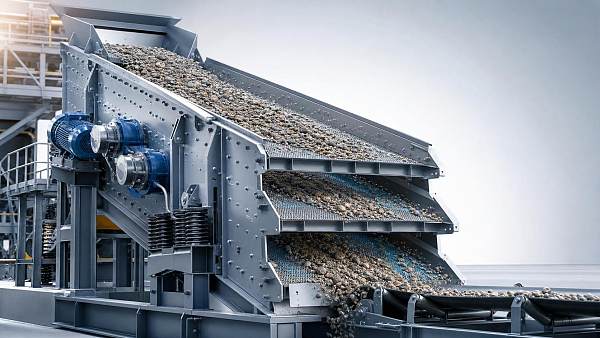
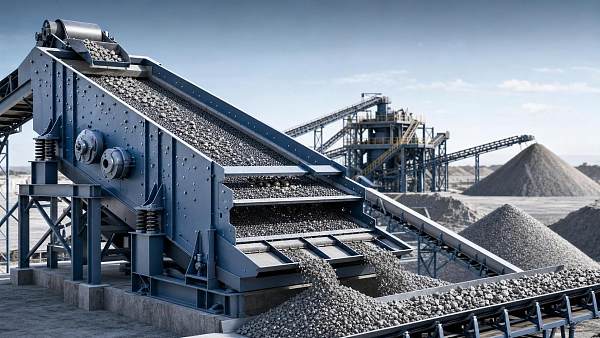
A linear vibrating screen is usually selected for precise separation, stable throughput, and efficient handling of fine or medium materials.
It works well in mining, mineral processing, sand plants, coal preparation, fertilizer, chemicals, and bulk solids classification.
From recent market shifts, one clearer signal is rising demand for predictable capacity and lower maintenance frequency.
This is where a specialized vibrating screen supplier linear type partner often becomes the better fit.
The right supplier understands deck angle, vibration force, media selection, wear zones, and the effect of material moisture on performance.
Typical use cases
- Dry or mildly wet material screening with defined cut sizes.
- Multi-deck classification where clean separation matters.
- Processes requiring consistent feed distribution.
- Plants where compact layout and efficient maintenance access are important.
When to Prioritize a Specialist Supplier
Not every project needs a specialist, but some sourcing situations clearly justify one.
In practical procurement work, the strongest signal is process complexity rather than purchase volume.
Choose a vibrating screen supplier linear type partner when:
- Your material is abrasive, sticky, or uneven in particle distribution.
- The project requires ISO, AS/NZS, or mine site safety compliance.
- Downtime costs are high and spare parts lead time must stay short.
- You need integration with crushers, feeders, conveyors, or plant control systems.
- The tender calls for FAT records, material certificates, or engineering calculations.
- Local service coverage is limited, making remote diagnostics and documentation essential.
In these cases, a general equipment trader may struggle to control quality, application fit, and post-installation support.
Key Criteria for Supplier Evaluation
A reliable evaluation framework should move beyond brochure claims.
The goal is to confirm that the vibrating screen supplier linear type partner can deliver operating value under real conditions.
1. Application engineering depth
Good suppliers ask for PSD, bulk density, moisture, feed rate, required cut points, and installation constraints.
If they quote too quickly, that is usually a warning sign.
2. Structural design and durability
Check side plate thickness, welding quality, exciter design, spring arrangement, and fatigue resistance.
For mining duty, structural life often separates a low-cost purchase from a costly ownership problem.
3. Process performance evidence
Ask for real references, test reports, throughput data, and screening efficiency from similar materials.
The best vibrating screen supplier linear type companies can explain where performance drops and how they compensate.
4. Compliance and documentation
This matters more in cross-border projects and EPC procurement.
Supplier capability should include drawings, inspection records, manuals, certificates, and traceable quality control routines.
5. Service model and spare parts
A low machine price loses its appeal when bearings, motors, and screen media take months to replace.
This also means evaluating warehouse coverage, field support, and response time commitments before award.
Questions That Expose Real Capability
A capable supplier usually gives direct, data-backed answers.
A weak supplier tends to stay general, especially when discussing wear, vibration settings, and operating limits.
- Which industries and materials are your linear screens most proven in?
- What screening efficiency can you support at our target throughput?
- How do you size the machine for moisture variation and peak load?
- What are the standard wear parts and normal lead times?
- Can you provide reference installations with similar ore or aggregate profiles?
- What inspection steps are included before shipment?
- How do you support commissioning and fault diagnosis after startup?
These questions help separate a true vibrating screen supplier linear type specialist from a reseller with limited technical control.
Common Procurement Risks
Several sourcing failures appear late, often after installation.
By then, the commercial savings from a weak purchase decision usually disappear.
- Oversized or undersized screen area for the actual feed profile.
- Unverified steel grade or inconsistent fabrication quality.
- Poor alignment between vibration parameters and material behavior.
- Incomplete manuals and limited maintenance training.
- No practical spare parts strategy for remote or harsh operating sites.
More noticeably, many buyers still compare quotes on purchase price alone.
A better method is to compare total delivered value, including uptime, wear cost, compliance risk, and service access.
How to Compare Suppliers More Objectively
A weighted scorecard helps keep the evaluation disciplined.
This approach works especially well when several global or regional suppliers are under review.
Using a scorecard keeps the vibrating screen supplier linear type decision tied to measurable business outcomes.
Signs a Supplier Is the Right Long-Term Fit
The best supplier relationship usually feels practical from the start.
You receive clear drawings, realistic lead times, honest operating assumptions, and service commitments that can be verified.
- They challenge missing process data before quoting.
- They explain trade-offs between cost, throughput, and wear life.
- They provide references in comparable mining or bulk handling conditions.
- They treat spare parts and maintenance access as design topics, not afterthoughts.
- They can support future upgrades, deck changes, or process expansion.
That combination usually indicates a vibrating screen supplier linear type partner built for lifecycle performance, not one-off sales.
Final Decision Guidance
Choose a linear screen supplier when your operation needs controlled separation, repeatable throughput, and dependable service over time.
The decision becomes more important when materials are difficult, compliance is strict, or downtime exposure is high.
In real procurement terms, the right vibrating screen supplier linear type partner should improve plant stability as much as equipment supply.
Focus on engineering depth, proven field results, structural quality, and support capability across the full operating life.
That is usually the most reliable way to reduce sourcing risk and secure stronger value from the final award.
Recommended News
 Jul 08, 2026When to Choose a Linear Vibrating Screen SupplierVibrating screen supplier linear type selection starts with application fit, durability, and support. Learn when a specialist supplier can reduce downtime, improve screening efficiency, and protect long-term plant value.
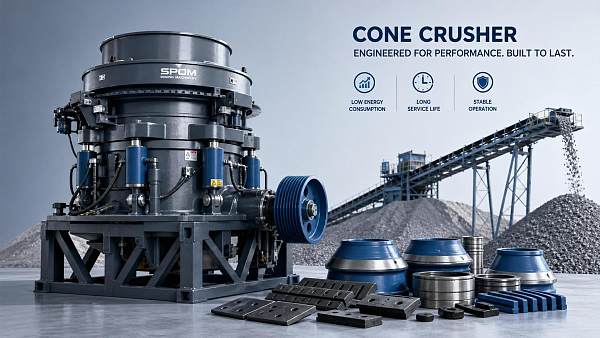
 Jul 08, 2026How to Compare Cone Crusher OEMs for Low Operating CostCone crusher OEM low operating cost starts with total cost, not price. Learn how to compare wear life, energy use, uptime, and parts support to choose the best-value supplier.
 Jul 06, 2026Circular Vibrating Screen Supplier Checklist for Stable OutputVibrating screen supplier circular type checklist for stable output: compare structural strength, exciter reliability, media fit, and service support to reduce downtime and improve screening performance.
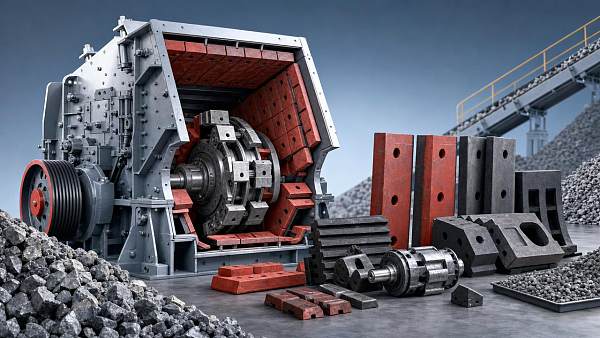
 May 17, 2026Impact Crusher Wear Part Life: Cost Drivers and Replacement TimingImpact crusher wear part life affects uptime, cost per ton, and replacement planning. Learn the key wear drivers, warning signs, and smart timing strategies to cut downtime and improve supplier decisions.