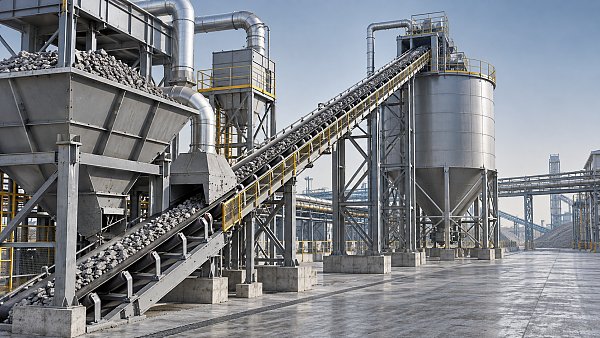
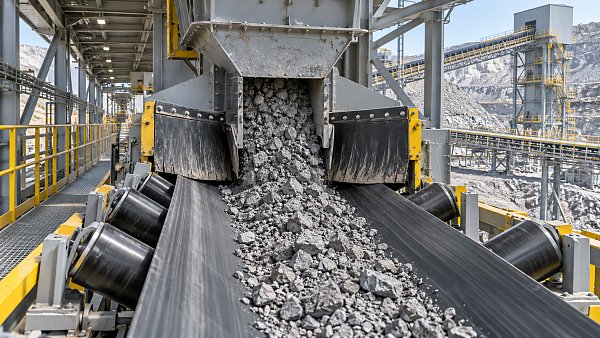
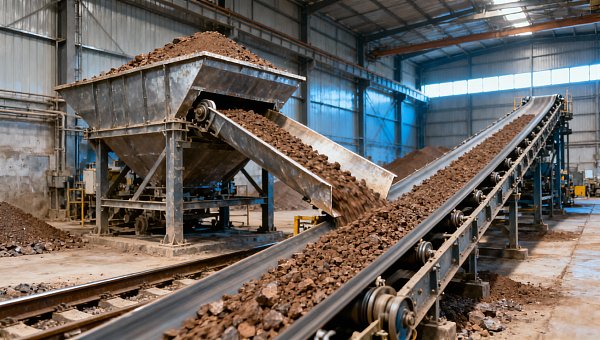
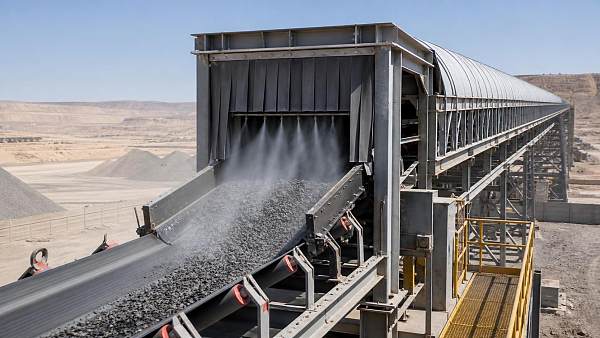
Grain Handling Facility Updates That Reduce Dust and Downtime
Why grain handling facility updates now carry more operational weight
Grain handling facility updates are no longer just housekeeping projects.
In bulk material handling, small bottlenecks often trigger larger losses across storage, conveying, loading, and maintenance planning.
That pattern is familiar across mining, processing, and heavy industrial sites, where dust, friction, and poor access quietly reduce uptime.
The strongest grain handling facility updates improve throughput and safety together, rather than treating them as separate targets.
In practice, enclosed transfer points, stronger dust capture, and better condition monitoring usually deliver the fastest return.
They also align with the wider industrial focus on compliance, lifecycle cost control, and verifiable reliability benchmarks.
For operations measured against ESG expectations and engineering standards, grain handling facility updates support both plant performance and audit readiness.
Actual site conditions change what the right update looks like
Not every facility struggles for the same reason.
A high-volume export terminal faces different pressures than an inland storage site or a processing plant with aging conveyors.
Some sites lose time during seasonal surges.
Others lose time through repeated cleanups, plugged chutes, bearing failures, or difficult shutdown coordination.
That is why grain handling facility updates should start with failure patterns, not with a generic equipment list.
A useful first pass is to map where dust escapes, where spillage begins, and where access delays repairs.
In real operations, those points usually overlap.
When dust leaks at a transfer, belt mistracking, carryback, and emergency stoppages often follow within the same zone.
A practical way to separate update priorities
This kind of split keeps grain handling facility updates tied to operational evidence.
Where dust control upgrades make the biggest difference
Dust control becomes urgent when facilities expand capacity without reworking containment.
The visible issue may be dusty floors, but the deeper issue is unstable material transfer.
In those cases, grain handling facility updates should address the source, not only the air cleaning equipment.
Enclosed loading zones, improved skirt sealing, and better chute velocity control often outperform simply installing a larger collector.
More demanding environments need a layered approach.
That means balancing aspiration volumes, limiting dead zones, and preventing dust from migrating into walkways and service areas.
Facilities that handle abrasive bulk solids already understand this logic from mineral processing systems.
The same discipline applies here: control impact, contain fines, and make inspection points easy to reach.
A common misread in dusty plants
A frequent mistake is specifying dust collectors from nameplate capacity alone.
If the transfer geometry remains poor, dust will continue to escape through every weak seal and maintenance opening.
The better sequence is to stabilize the flow path first, then size extraction around real leakage and loading conditions.
Downtime reduction often starts at transfer points, not at the motor room
When unplanned stops become routine, many sites begin by checking drives and controls.
That is sensible, but it is not always where the problem starts.
In grain handling systems, recurring downtime often begins with plugging, spillage, mistracking, and carryback around the transfer line.
Those failures create belt damage, sensor faults, and cleanup-related delays that appear elsewhere in reports.
For that reason, grain handling facility updates should examine residence time, drop height, impact loading, and liner wear together.
A chute that worked at older tonnage may become unstable after throughput increases or commodity changes.
Short shutdown windows also matter.
If a transfer point cannot be cleaned and inspected quickly, a minor blockage can consume an entire production shift.
- Prioritize access doors that allow safe inspection without dismantling major covers.
- Use wear liners selected for grain flow behavior, not only for hardness.
- Check whether belt cleaners match actual moisture and residue conditions.
- Review transfer sequencing when upstream rates fluctuate during peak campaigns.
When monitoring upgrades are worth more than another mechanical retrofit
Some facilities have already upgraded housings, chutes, and filters but still face unpredictable outages.
In that setting, grain handling facility updates should shift toward visibility.
Temperature, vibration, belt alignment, and plugged-chute alerts help catch developing issues before they force a stop.
The value is highest where labor coverage is thin or where equipment is spread across multiple buildings.
Remote status layers also support the broader industrial trend toward digital twins and evidence-based asset management.
Still, adding sensors without a maintenance response plan creates noise rather than reliability.
Thresholds should reflect duty cycle, ambient conditions, and known failure history.
Otherwise, teams begin ignoring alarms that should have triggered action.
What changes between older and newer facilities
Newer plants usually need integration discipline.
Older plants usually need selective retrofits that respect legacy controls, space limits, and shutdown timing.
That is why the best grain handling facility updates are rarely identical across sites, even with similar tonnage.
Different operating patterns create different upgrade priorities
The same equipment can behave very differently under different loading patterns.
A facility running near steady state can tolerate simpler control logic than one cycling through variable grades, moisture, or truck arrivals.
That difference should shape grain handling facility updates from the beginning.
This is often where facilities avoid overbuilding one area while ignoring the real source of downtime.
What gets overlooked before grain handling facility updates go live
Implementation risk is often underestimated.
A technically sound retrofit can still underperform if tie-in points, structural loads, or housekeeping routines are not reviewed early.
Another common oversight is treating similar transfer points as identical.
Minor differences in angle, drop, or upstream feed consistency can justify different solutions.
It also pays to compare upfront cost with maintenance burden.
Some lower-cost updates create higher labor demand through frequent adjustments or difficult filter servicing.
In heavy industry, the better benchmark is total operating stability over several seasons, not a narrow installation saving.
- Confirm dust hazard assumptions against actual enclosure and ventilation conditions.
- Check compatibility with existing controls, access platforms, and fire protection systems.
- Plan shutdown work around the most critical throughput windows.
- Define post-install inspection intervals before restart.
A sensible next step is to rank updates by failure impact
The most useful grain handling facility updates usually come from a ranked review, not from a full rebuild mindset.
Start with areas where dust, stoppages, and access delays intersect.
Then compare operating conditions, maintenance difficulty, compliance risk, and retrofit complexity.
That approach creates a practical sequence for modernization while keeping production disruption under control.
Where decisions need stronger validation, benchmark each candidate update against measurable uptime, cleaning hours, and repeat failure data.
Grain handling facility updates work best when they are matched to the real operating pattern, not to a generic upgrade checklist.
That is usually the clearest path to lower dust exposure, fewer shutdowns, and more reliable bulk handling performance.
Recommended News
 Oct 15, 2026Which industrial equipment categories are used in bulk handling?Explore industrial equipment categories for bulk handling, from conveyors and feeders to storage and loading systems. Learn how to select equipment for safer, more reliable operations.
 Oct 23, 2026What Are Common Failure Modes in Mine Bulk Material Handling Systems?What are the typical failure modes of bulk material handling systems in mines? Explore belt damage, chute blockages, and drive faults—and learn how to reduce downtime and maintenance costs.
 Oct 17, 2026What Is Bulk Flow? How Ore Moves Through Hoppers, Chutes, and ConveyorsDiscover how bulk flow moves ore through hoppers, chutes, and conveyors. Learn what causes blockages and how material properties and equipment design improve handling reliability.
 Sep 09, 2026How Can Bulk Material Handlers Reduce Dust in Dry Climates?How to reduce dust emissions from bulk material handling in dry climates? Explore proven containment, ventilation, suppression, and wind-control strategies.