Reverse Logistics Costs: What Impacts Recovery Value Most?
Reverse Logistics Costs: What Impacts Recovery Value Most?
For industrial buyers, reverse logistics is not a back-office detail.
It shapes recovery value, working capital, and total lifecycle cost.
That is especially true in mining, resources, and heavy-machinery supply chains.
A returned component, surplus machine, or decommissioned asset can hold real value.
But reverse logistics costs can erase that value surprisingly fast.
Transport, inspection, refurbishment, compliance, and market timing all matter.
The bigger issue is that these costs rarely sit in one budget line.
They appear across freight, labor, storage, downtime, and disposal.
So the real question is simple: what impacts recovery value most in reverse logistics?
Why Reverse Logistics Has Become a Procurement Issue
In high-value equipment categories, resale and redeployment are procurement decisions.
They influence sourcing models, warranty negotiations, and supplier selection.
Recent market volatility has made this more visible.
Commodity cycles, freight swings, and ESG rules have raised reverse logistics costs.
At the same time, secondary market demand remains strong for usable assets.
That creates a narrow window where recovery value can be protected or lost.
In practice, reverse logistics now sits between cost control and asset strategy.
Teams that understand cost drivers usually recover more value with less waste.
The Biggest Cost Drivers Behind Recovery Value
Not every reverse logistics cost has the same weight.
Some factors directly move recovery value far more than others.
1. Asset Condition at the Point of Return
Condition is usually the strongest driver of reverse logistics outcomes.
A well-documented engine, pump, or gearbox can move quickly through inspection.
A damaged or poorly handled unit triggers repair, delay, and valuation risk.
Missing service history also reduces buyer confidence in secondary channels.
This is where reverse logistics starts long before transport begins.
Packaging standards, removal procedures, and return handling directly protect recovery value.
2. Transport Complexity and Distance
Heavy assets are expensive to move in both directions.
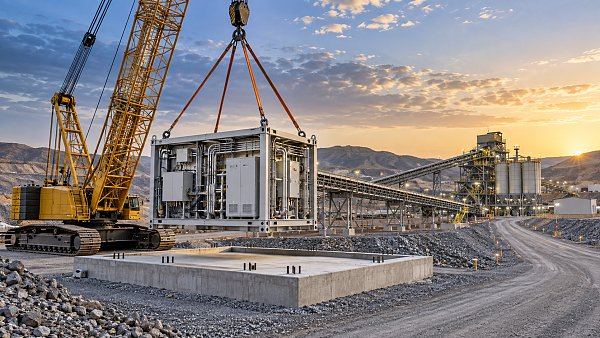
Oversize loads, remote mine sites, lift requirements, and route permits add cost.
Cross-border movements add customs paperwork, taxes, and clearance uncertainty.
When freight exceeds likely resale margin, reverse logistics becomes uneconomic.
This is why location strategy affects recovery value as much as resale demand.
3. Inspection, Testing, and Refurbishment Scope
Returned equipment rarely goes straight back into service or sale.
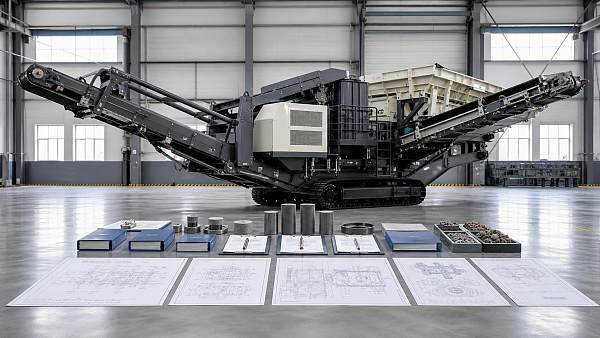
It often needs teardown, cleaning, testing, certification, or rebuild work.
Each additional touchpoint raises reverse logistics costs.
Still, selective refurbishment can significantly lift recovery value.
The key is knowing where refurbishment improves margin and where it destroys it.
For some assets, cosmetic work is unnecessary, while test certification is essential.
4. Compliance, Safety, and Environmental Exposure
Compliance can quietly become a major reverse logistics expense.
Hazardous residues, contaminated fluids, batteries, and regulated scrap change handling requirements.
So do import restrictions, Mine Safety Acts, and local disposal laws.
A non-compliant return can face storage delays, penalties, or forced destruction.
That outcome reduces recovery value to zero, or worse, below zero.
5. Time to Disposition
Time is one of the most underestimated reverse logistics costs.
Assets sitting in yards, ports, or warehouses tie up space and working capital.
They also lose market value as models age and buyer demand shifts.
Slow disposition often comes from unclear ownership, poor data, or weak approval paths.
Faster decisions usually protect recovery value better than aggressive price targets.
What Usually Has the Greatest Impact on Recovery Value
Across industrial categories, three variables tend to matter most.
- Physical condition and documentation quality at return.
- Total landed recovery cost, including transport and compliance.
- Speed of resale, redeployment, or parts harvesting.
If these three are controlled well, reverse logistics performs better.
If they are ignored, even strong market demand may not save recovery value.
This also explains why reverse logistics should be measured end to end, not by freight alone.
A Practical Evaluation Framework for Buyers
A simple framework helps compare reverse logistics options consistently.
The objective is not perfect forecasting.
It is faster, cleaner decision-making.
This approach makes reverse logistics easier to compare across sites and suppliers.
It also supports clearer approval decisions when margins are tight.
How to Reduce Reverse Logistics Costs Without Hurting Recovery Value
Cost reduction works best when it starts upstream.
Waiting until a return is already in motion limits options.
- Set return condition standards in supply contracts.
- Require serial, service, and usage records before collection.
- Pre-qualify refurbishment partners by asset category.
- Use regional hubs when remote freight destroys margin.
- Build compliance checks into the first return assessment.
- Create deadlines for resale, redeployment, or scrap decisions.
These actions lower reverse logistics costs without forcing short-term disposal.
More importantly, they protect recovery value before it starts leaking away.
In actual operations, this is often where the biggest gains come from.
Where Reverse Logistics Decisions Commonly Go Wrong
A few repeat mistakes tend to damage recovery value.
- Treating reverse logistics as a transport problem only.
- Over-restoring assets with limited market demand.
- Ignoring local regulatory exposure until late in the process.
- Holding assets too long while waiting for peak pricing.
- Working from incomplete equipment data.
Each mistake raises reverse logistics costs in a different way.
Together, they can turn a recoverable asset into a disposal burden.
That is why governance matters as much as operational speed.
Final Takeaway
Reverse logistics costs have a direct and measurable effect on recovery value.
The strongest influences are asset condition, transport burden, compliance exposure, and time to disposition.
In mining and heavy-machinery markets, those variables are rarely minor.
They decide whether reverse logistics recovers margin or consumes it.
The practical move is to evaluate returns early, price the full recovery pathway, and act before delay erodes value.
When reverse logistics is managed as a strategic cost and recovery function, better asset outcomes usually follow.
Recommended News
 Oct 04, 2026When do prefabrication equipment systems reduce project delays?Prefabrication equipment systems reduce project delays when scope, interfaces, suppliers, and logistics align early. Explore a practical framework for faster delivery.
 Sep 10, 2026What Compliance Documents Should a Mining Equipment Supplier Provide?What documents should a mining equipment supplier provide for compliance proof? Explore essential certificates, safety records, testing evidence, and traceable documentation.
 Sep 07, 2026Do Mining Equipment Safety Standards Differ by Country?Do different countries use different standards for mining equipment safety? Explore ISO, MSHA, CE, ATEX, and local compliance rules before ordering equipment.
 Sep 05, 2026How Do You Calculate Total Cost of Ownership for Mining Machinery?How to calculate total cost of ownership for construction machinery in mining? Explore TCO factors, downtime, fuel, maintenance, and lifecycle savings.