Construction Safety Regulations 2026: What Changes Raise Project Risk
As 2026 approaches, safety regulations in construction are becoming a direct project risk variable, not a back-office compliance task. New reporting duties, tighter equipment checks, expanded contractor liability, and digital traceability rules can affect schedule certainty, bid pricing, insurance cost, and claims exposure.
For heavy civil works, mining infrastructure, processing plants, and industrial builds, the impact is sharper. These projects combine high-risk machinery, multiple contractors, remote locations, and strict technical standards. Understanding how safety regulations in construction change by scenario is now essential for protecting execution and margin.
Why 2026 safety regulations in construction create different risks in different project settings
Not every project faces the same compliance pressure. An urban commercial build and a remote mine expansion may share legal themes, yet their operational exposure differs significantly.
The 2026 direction of safety regulations in construction points toward stronger accountability, real-time evidence, and documented control of high-consequence hazards. Projects with complex lifting, confined spaces, energized systems, or autonomous equipment face the highest adjustment burden.
Three broad changes are likely to raise project risk:
- More traceable site records, including digital permits, training logs, and inspection evidence.
- Tighter enforcement around subcontractor management and shared duty of care.
- Stricter control of plant, lifting systems, and machine-human interaction zones.
These shifts matter because failure is no longer measured only by incident counts. Regulators increasingly examine whether predictable hazards were actively identified, verified, and corrected before work continued.
Scenario 1: Remote resource and mining infrastructure projects face compounded compliance exposure
Remote sites often depend on mobile fleets, temporary works, camp logistics, and rotating crews. That combination makes safety regulations in construction harder to implement consistently.
In 2026, regulators are expected to focus more on fatigue management, emergency response proof, high-risk work authorization, and machine guarding verification. Remote conditions increase audit difficulty and delay corrective action.
Core judgment points for remote projects
- Can supervisors verify safety-critical controls without paper gaps?
- Are heavy equipment inspections linked to actual usage cycles?
- Do contractor teams follow one permit system or several conflicting ones?
- Is emergency access realistic during weather, isolation, or power loss?
Where these controls are weak, project risk rises fast. Delays come from stop-work orders, failed audits, re-induction demands, and equipment quarantine after undocumented defects.
Scenario 2: Urban and public-facing construction sites carry higher accountability and evidence demands
Projects near transport corridors, utilities, hospitals, schools, or dense housing face stronger scrutiny. Here, safety regulations in construction extend beyond workforce protection into public interface control.
The 2026 risk profile includes exclusion zones, traffic management proof, noise and dust controls, overhead work separation, and fast incident notification. Public exposure reduces tolerance for procedural inconsistency.
Core judgment points for urban projects
- Are pedestrian, vehicle, and lifting paths clearly segregated?
- Can the site prove daily barrier, signage, and access checks?
- Are utility strikes and service disruptions covered by verified controls?
- Is subcontractor induction aligned with local authority conditions?
On these sites, missing evidence may matter as much as missing controls. A compliant action that cannot be documented may still trigger claims, enforcement, or client escalation.
Scenario 3: Brownfield industrial upgrades are most vulnerable to hidden regulatory gaps
Brownfield work inside live plants, ports, smelters, or processing facilities creates a different compliance challenge. Existing operations, legacy equipment, and overlapping permits make safety regulations in construction harder to interpret and enforce.
For 2026, expected pressure areas include isolation integrity, contractor competency proof, simultaneous operations, and change-management records. Small scope changes can create major safety exposure if approvals lag behind field conditions.
Core judgment points for brownfield projects
- Are lockout, tagout, and isolation boundaries independently verified?
- Can site teams distinguish maintenance rules from construction rules?
- Do revised drawings flow to crews before task execution?
- Are simultaneous operations reviewed as conditions change hourly?
This scenario often produces hidden delay. Work may continue physically, while approvals, risk assessments, or plant interfaces remain noncompliant in the background.
How safety regulations in construction differ across project scenarios
Practical adaptation steps before safety regulations in construction raise cost and delay
A useful response starts with scenario-specific control mapping. Generic compliance manuals rarely address where risk actually develops on site.
- Review high-risk tasks against expected 2026 evidence requirements.
- Align contractor onboarding with one documented control standard.
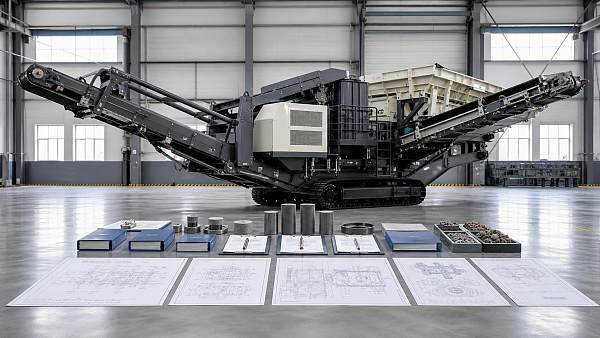
- Audit plant and equipment records for inspection timing and traceability.
- Test stop-work, escalation, and corrective-action closure speed.
- Link compliance gaps to cost, float, and contractual obligations.
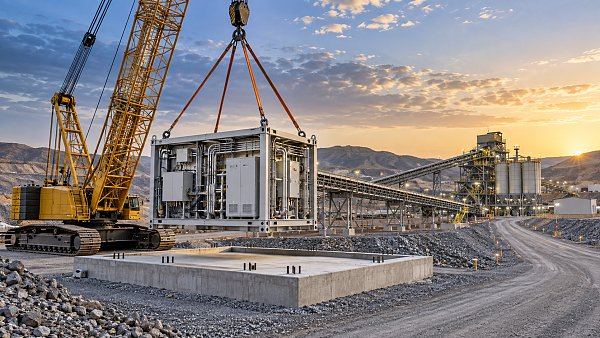
Projects involving heavy machinery should also review machine interaction design. New safety regulations in construction increasingly examine proximity risk, blind spots, alarms, telematics evidence, and operator authorization.
This matters for haul roads, crane pads, temporary access routes, stockpile areas, and mobile maintenance zones. The control question is no longer whether a rule exists, but whether compliance can be demonstrated under realistic site conditions.
Common misjudgments that make safety regulations in construction look manageable until risk spikes
Several recurring errors distort risk planning. They often appear harmless early, then become expensive after inspections, incidents, or change orders.
- Treating induction completion as proof of field competence.
- Assuming equipment OEM guidance automatically satisfies local regulation.
- Using paper permits on dynamic sites with frequent scope changes.
- Separating safety records from planning and progress controls.
- Underestimating subcontractor interface risk in multi-employer zones.
Another common mistake is waiting for final rule publication before acting. By then, contracts, mobilization plans, and equipment allocations may already lock in avoidable compliance cost.
Early review is especially important where projects rely on autonomous units, emissions-transition fleets, modular construction, or high-capacity lifting. These areas often attract faster regulatory attention because consequences are severe and evidence expectations are rising.
Next actions to assess 2026 exposure with confidence
The most effective next step is a focused risk screen by project scenario. Start with the tasks, interfaces, and equipment categories most likely to face stricter verification under safety regulations in construction.
Build a short matrix covering permits, training proof, plant inspections, contractor controls, public interface measures, and emergency readiness. Then score each item by likelihood of enforcement, delay impact, and financial consequence.
For complex industrial and resource projects, regulatory intelligence should sit beside engineering and commercial planning. That approach helps identify where a compliance gap may become a productivity loss, a claims issue, or a reputational event.
In 2026, safety regulations in construction will influence more than legal compliance. They will shape project resilience, equipment readiness, contractor coordination, and the ability to deliver work without disruptive surprises.
Recommended News
 Oct 11, 2026When to hire commercial architects for a mine site master planCommercial architects should be engaged early to align mine site facilities, expansion plans, safety, utilities, and workforce flows before costly decisions become fixed.
 Oct 10, 2026Modern office design trends 2026 that support hybrid workModern office design trends 2026 reveal how hybrid workplaces can improve project delivery with flexible project rooms, better acoustics, privacy and field-to-office collaboration.
 Oct 04, 2026When do prefabrication equipment systems reduce project delays?Prefabrication equipment systems reduce project delays when scope, interfaces, suppliers, and logistics align early. Explore a practical framework for faster delivery.
 Sep 10, 2026What Compliance Documents Should a Mining Equipment Supplier Provide?What documents should a mining equipment supplier provide for compliance proof? Explore essential certificates, safety records, testing evidence, and traceable documentation.