Intelligent Home Trends 2026: Which Systems Age Best
Intelligent home adoption in 2026 is no longer driven mainly by novelty. The real issue is endurance: which systems remain useful after software changes, hardware replacements, and new interoperability demands reshape the home over time.
That question matters beyond consumer electronics. It connects to supply-chain resilience, component quality, energy management, digital standards, and lifecycle thinking familiar across heavy industry and infrastructure analysis.
Seen through a benchmarking lens similar to G-MRH’s approach to industrial assets, the best intelligent home systems are not simply feature-rich. They are maintainable, compatible, measurable, and designed to age with less friction.
What “aging well” means in an intelligent home
Aging well does not mean a device survives physically for ten years. It means the system still works reliably within a changing digital environment.
In practice, an intelligent home ages well when four conditions stay intact: stable connectivity, continued updates, broad integration, and acceptable operating cost.
This shifts evaluation away from launch-day features. Flashy voice routines matter less than firmware policy, protocol support, spare part availability, and migration options.
The same logic appears in mining and heavy machinery benchmarking. High-value assets are judged by uptime, lifecycle cost, standards compliance, and upgradeability, not marketing claims.
Why 2026 is a turning point
Several market shifts make 2026 unusually important for intelligent home decisions. Devices are becoming more interconnected, but ecosystems remain uneven.
At the same time, energy pricing, grid pressure, and electrification are pushing homes toward smarter load control. That raises the value of systems with durable automation logic.
Another factor is regulation and data handling. Buyers increasingly care about local processing, cybersecurity support windows, and vendor transparency around cloud dependency.
From a broader industry view, this resembles the transition from isolated equipment to connected operational platforms. Once a system becomes infrastructure, replacement becomes more expensive and disruptive.
The standards effect
Open or widely adopted standards now influence long-term value more than many buyers expected. Matter, Thread, Zigbee, Wi-Fi, and Ethernet each shape future flexibility differently.
An intelligent home built around only one proprietary cloud can age poorly, even if setup feels easy at first. Closed ecosystems often create hidden replacement risk.
Which intelligent home systems usually age best
Not every smart category performs equally over time. Systems closest to infrastructure tend to deliver better long-term value than trend-driven gadgets.
Lighting, climate, sensing, and energy systems usually age best because their value comes from persistent operational need. Entertainment-centered devices tend to turn over faster.
The strongest 2026 trend: interoperability over feature inflation
The most durable intelligent home setups are increasingly modular. Instead of depending on one brand for everything, they combine stable devices through shared standards and local orchestration.
This matters because homes change gradually. Routers are replaced, appliances fail, platforms merge, and software vendors alter roadmaps. A modular system absorbs change better.
In industrial terms, this is the difference between a flexible operating environment and a locked asset stack. G-MRH’s lifecycle mindset translates well here: resilience starts at architecture, not branding.
Local control is gaining strategic value
More intelligent home buyers now prefer at least partial local control. That includes local scenes, local sensor response, and operation during internet outages.
Local capability does not eliminate cloud services. It simply reduces failure points and improves long-term autonomy, especially for critical routines like climate, locks, or water alerts.
Materials, minerals, and why hardware quality still matters
An intelligent home is also a physical product network. Chip availability, sensor quality, battery chemistry, and connector durability still shape how well systems age.
This is where the broader industrial context becomes relevant. Supply chains for semiconductors, copper, lithium, rare earths, and power electronics affect product continuity and replacement cycles.
Organizations such as G-MRH track resource development, equipment reliability, and industrial decarbonization partly because these upstream shifts influence downstream technology stability.
For home systems, the takeaway is practical: brands with disciplined sourcing, documented standards support, and clear maintenance policies often age better than aggressive low-cost entrants.
How to judge lifecycle value instead of launch appeal
A useful intelligent home assessment should look beyond the box price. Long-term value comes from reliability, update policy, replacement ease, and integration depth.
- Check whether core functions survive internet loss.
- Review the vendor’s software support history, not just promises.
- Prefer devices that support common standards or bridge well.
- Examine whether batteries, sensors, or modules are replaceable.
- Map subscription costs over three to five years.
- Assess data ownership, export options, and privacy controls.
- Consider whether the system can expand into energy management later.
This approach mirrors industrial asset benchmarking. Performance should be evaluated across duty cycles, maintenance conditions, and compliance exposure, not only initial convenience.
Where aging performance differs by scenario
Not every intelligent home environment requires the same architecture. A small apartment, a detached home with solar, and a rental property can produce very different durability outcomes.
Apartments and compact urban spaces
Portable devices, non-invasive sensors, and lighting automations often age best here. Hardwired upgrades may be limited, so flexibility matters more than deep infrastructure control.
Detached homes with energy assets
The strongest long-term value usually comes from integrating HVAC, solar, storage, EV charging, and load scheduling. Energy intelligence is becoming central to the intelligent home model.
Multi-property or temporary occupancy settings
Remote diagnostics, access control, water leak detection, and standardized device fleets tend to age well. Ease of reset and role-based management become more important than personalization.
Common failure patterns to watch in 2026
The weakest intelligent home systems usually fail in predictable ways. Most are not dramatic hardware breakdowns but gradual erosion of usability.
- Vendor apps become slow, unstable, or discontinued.
- A cloud login change breaks legacy automations.
- A single hub becomes obsolete with no migration path.
- Security patches stop while devices remain physically installed.
- Too many overlapping protocols create maintenance complexity.
These patterns reinforce a simple point: the intelligent home that ages best is usually the one designed for manageable change, not maximum novelty.
A practical way to compare systems now
A structured shortlist helps cut through product hype. Comparing three or four options across the same lifecycle criteria is often more useful than reading dozens of feature pages.
For anyone tracking intelligent home trends in 2026, that framework offers a more durable basis for judgment than popularity rankings alone.
The next useful step is to map current needs against likely future integrations, then compare systems by support history, standards alignment, and lifecycle resilience before any platform commitment.
Recommended News
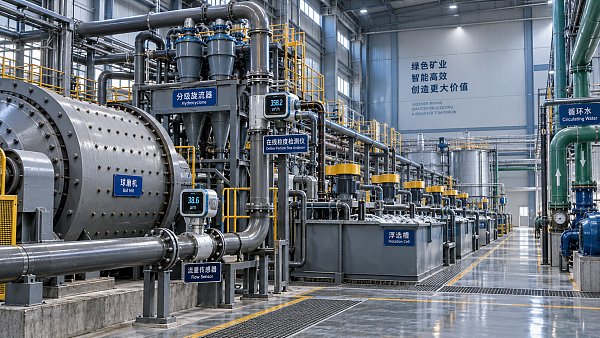
 Oct 16, 2026How digital twins are changing smart mineral processing plantsExplore smart mineral plant news to discover how digital twins help optimize grinding, recovery, and water use—and what it takes to turn plant data into better operating decisions.
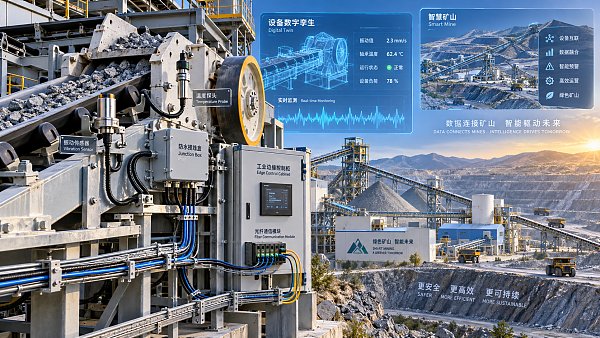
 Oct 12, 2026How to apply an electronics guide when designing mine digital twinsApplication guide for electronics: build reliable mine digital twins with resilient sensors, edge systems, power, connectivity, and data validation strategies.
 Oct 06, 2026When mining intelligence services improve mine planning decisionsMining intelligence services help teams challenge assumptions, reduce supply and ESG risks, and build resilient mine plans with stronger equipment, processing, and scheduling decisions.
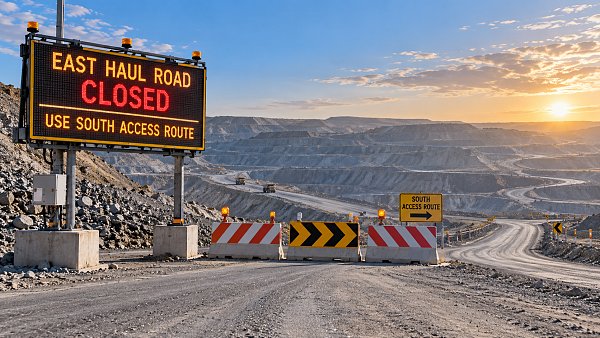
 Oct 05, 2026When do digital signage solutions improve safety alerts at mine sites?Digital signage solutions improve mine safety alerts with timely, location-specific warnings for blasting, haul roads, weather, and restricted access.